

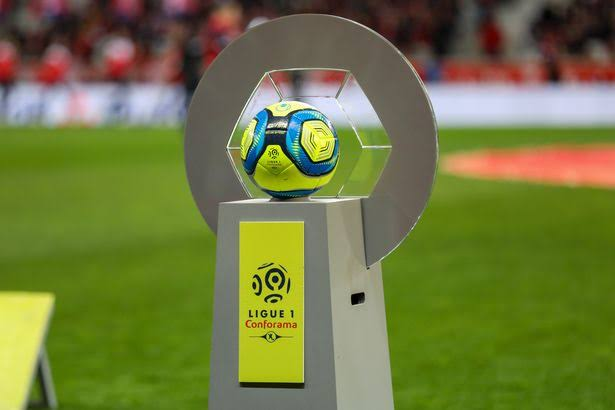
In the 2016–17 Ligue 1 season, headline fixtures involving Paris Saint‑Germain, Monaco, Lyon, and Marseille attracted heavy betting interest and aggressive pricing around favourites and goal lines. PSG entered the campaign as overwhelming title favourites in the ante‑post market, which shaped match odds long after it became clear that Monaco’s attack and overall balance were capable of challenging that assumption, creating situations where “big match” prices leaned more on reputation and emotion than on current reality.
Why Big-Match Markets Drift Toward Overpricing
High‑profile fixtures concentrate media attention and betting volume, so bookmakers often shade prices toward narratives that casual bettors are most willing to back. Before 2016–17 kicked off, PSG were installed as a heavy odds‑on favourite for the title, reflecting several straight championships, deep resources, and a clear status gap to the rest of the league. When those expectations flow into weekly prices, big home games for PSG and other historically strong clubs tend to carry shorter odds and fatter goal lines than their underlying performance and opponent quality alone would justify, because the market is effectively charging a premium for the story everyone wants to bet.
How the 2016–17 Landscape Set Up Mispricing Risks
Monaco’s title‑winning campaign and Ligue 1’s overall scoring pattern in 2016–17 exposed the gap between pre‑season assumptions and realised strength. The league ended with 991 goals in 380 matches, an average of 2.61 per game, underlining an attacking environment where several clubs could punish overconfident favourites on the counter. Yet ante‑post odds still had PSG at prohibitively short prices for the title and rated Monaco and Lyon as secondary threats, which was reasonable in August but became less aligned with reality as Monaco’s offensive production accelerated. When models and reputations anchor too strongly on those early prices, big matches involving PSG can be framed as more one‑sided than the current form and tactical matchup truly support, encouraging inflated handicap and goal lines that invite value on the less popular side.
Patterns of Overvalued Big Matches Rather Than Single Examples
Instead of chasing a list of specific fixtures, it is more useful to identify repeating patterns in how big‑match pricing drifted too high relative to Ligue 1’s 2016–17 realities. One pattern emerged in marquee clashes where PSG’s status as pre‑season favourite overshadowed Monaco’s actual attacking potency, leading markets to post aggressive home handicaps and total lines that assumed sustained dominance rather than more balanced contests. Another pattern appeared in traditional rivalries—PSG vs Marseille, Lyon vs Marseille—where the intensity and narrative of “Le Classique” or other derbies pushed bettors toward overs and home favourites even when recent defensive metrics suggested tighter games. In both cases, odds that looked reasonable in isolation became questionable when seen against a full‑season picture of how often such fixtures actually turned into walkovers or high‑scoring blowouts.
Mechanisms by Which Big-Match Odds Become “Too High”
Several mechanisms combined to make certain prices appear inflated once the dust settled. First, favourite bias meant PSG’s win odds in some high‑profile matches rested on title‑level priors even when their actual gap in goal difference and chance creation versus opponents had narrowed. Second, narrative‑driven enthusiasm around Monaco’s spectacular results against weaker sides encouraged markets to generalise that attacking output into every big game, pushing some totals lines higher than the tactical reality of elite‑vs‑elite meetings warranted. Third, the emotional weight of rivalries led casual bettors to expect fireworks and big scorelines, nudging bookmakers to set higher starting lines to manage liability, which in turn created space for more sceptical bettors to consider unders or dog sides where the numbers supported them.
Table: Conceptual Types of Big Matches and Where Prices Tend to Overshoot
To make these ideas practical, it helps to group 2016–17 Ligue 1 big games into conceptual types and identify where odds commonly leaned too high. The table below draws on the season’s title race context, goal averages, and pre‑season odds to illustrate where reputation and narrative most distorted pricing.
| Big-match archetype | Market tendency | Where prices skew “too high” | Likely value side when data disagrees |
| PSG at home vs non‑Monaco “big six” rival | Strong favourite, inflated handicaps and overs | Win odds too short; goal lines lean to high totals | Unders or rival + handicap in disciplined setups |
| Monaco vs top‑half contender during title surge | Overs heavily backed, Monaco win odds compressed | Totals drift to 3+ goals; Monaco priced as near lock | Unders or cautious dog when opponent defends deep |
| Lyon vs Marseille or other classic rivalry | Narrative pushes overs and both teams to score | Goal lines and BTTS often priced aggressively | Unders or “no” on BTTS when recent data shows caution |
| Late‑season clashes with title or Europe at stake | Public expects open shootouts | Markets assume high risk play from both teams | Unders when one side can settle for a draw |
Interpreting this structure, the recurring pattern is that prices in big games often imported assumptions from earlier phases of the season or from historical rivalry narratives instead of strictly following current form and tactical incentives. For a data‑driven bettor, the opportunity lay in spotting when those inherited assumptions overshot what 2016–17’s actual outputs—goal averages, points gaps, and tactical trends—could reasonably support.
Where UFABET Can Fit Into an Odds-Interpretation Strategy
If you treat these patterns as inputs into a systematic odds‑interpretation approach rather than one‑off hunches, the choice of where you execute bets becomes part of your methodology. Imagine you have identified that, across 2016–17, marquee PSG home matches versus competent top‑half rivals systematically carried handicaps and totals lines slightly richer than what their expected‑goals and defensive numbers justified. Turning that insight into an edge requires an environment where you can access alternative lines, compare prices across markets, and track how often contrarian positions against inflated favourites or overs actually hold up over time. Under that situational lens, using a betting destination such as พนันบอล as one of your reference points allows you to observe how big‑match odds are framed in practice, quantify when they deviate from your model, and keep a recorded history of when your interpretation of “too high” pricing was truly grounded in edge rather than merely in contrarian instinct.
Diagnosing When Big-Match Prices Are Inflated Rather Than Just Short
Not every short price counts as “too high”; sometimes the favourite or over is simply the correct side even at unattractive odds. Distinguishing fair from inflated lines starts with comparing market prices to what a neutral model, stripped of emotional narratives, would suggest based on the 2016–17 data. If PSG’s implied win probability in a given big match matches what long‑run goals, xG, and home advantage indicate, then the price is tight but reasonable; if it exceeds that by several percentage points, the line edges toward overvaluation informed by status and public money. A similar process applies to totals: when a 3.0 goal line appears in a fixture where both teams’ combined expected scoring supports something closer to 2.5, the extra half‑goal often represents the price of narrative, not of underlying football risk.
A Practical Checklist for Spotting Overpriced Ligue 1 Big Matches
To keep this judgment consistent rather than ad hoc, it helps to run each big Ligue 1 fixture through a fixed set of questions. The checklist below translates the 2016–17 dynamics into a simple decision aid that can be applied to later seasons as well, provided you update the inputs.
- Compare pre‑season priors to current reality
Ask whether the favourite’s current goal difference, points, and underlying metrics still justify the dominance implied by the price, or whether early‑season reputations are still inflating odds despite a narrower actual gap. - Check whether the goal line matches recent combined scoring
Combine both teams’ recent league averages and chance creation to derive a fair total; if the market adds a clear premium around big matches, consider whether that extra half‑goal is driven by narrative rather than by data. - Evaluate tactical incentives for risk versus caution
In title deciders or European‑spot battles, determine whether one or both sides might prefer a controlled draw, which tends to depress actual scoring relative to lines set for “must‑win shootouts.” - Assess public sentiment and media noise
Gauge how much hype surrounds the fixture; the louder the story—revenge angles, star returns, historic rivalries—the more likely it is that overs and favourites carry a sentiment premium. - Quantify the edge before acting
Only oppose a favourite or an over if your modelled probabilities differ materially from the implied odds; small mismatches often reflect normal vig rather than exploitable overpricing.
When you work through these steps and still find a meaningful gap between market perception and realistic probabilities, opposing the crowd in big Ligue 1 matches becomes a rational, evidence‑based act rather than a reactive stance against popular teams. If the checklist does not reveal a substantial discrepancy, then accepting that a short price is simply correct is often the more disciplined choice.
How casino online Context Impacts the Use of Big-Match Edges
The volatility of big‑match betting—particularly when opposing heavily backed favourites or overs—makes the surrounding environment crucial to long‑term outcomes. High‑profile games attract promotional offers, boosted odds, and emotional staking patterns that can tempt bettors into over‑exposure precisely when variance is highest. Using a casino online framework that provides transparent records of big‑match bets, access to multiple handicap and totals lines, and the ability to track how your positions perform against closing prices helps keep the focus on whether your Ligue 1 2016–17‑inspired interpretations actually deliver edge. Over time, that structure forces you to confront whether you truly identified overpriced markets or simply gravitated toward contrarian positions without enough statistical backing.
Summary
During the 2016–17 Ligue 1 season, the combination of PSG’s overwhelming pre‑season favourite status and Monaco’s emergent title‑winning form created a landscape where big‑match prices often reflected reputation as much as on‑field reality. In marquee fixtures—PSG at home to strong rivals, Monaco or Lyon in high‑profile clashes, and emotionally charged derbies—markets frequently shaded odds toward favourites and higher goal lines to match public appetite, leaving room for disciplined bettors to consider dogs and unders when data and incentives pointed in that direction. The most durable value came from treating these situations as recurring patterns rather than isolated misprices, running each game through a consistent checklist, and executing only when the gap between implied and modelled probabilities was clear enough to justify stepping in against the story everyone else wanted to bet.
