

Living with chronic kidney disease brings big changes to daily life. Finding a supportive medical partner can make the whole journey much easier. Many families across the country rely on us renal care for personalized treatment plans. Knowing how specialized centers operate helps you take charge of your personal health.
When someone experiences kidney failure, their body loses the ability to filter waste and extra fluid from the blood. Modern medical options step in to perform those vital duties every day. Working closely with trained specialists helps patients live fulfilling, active lives while staying on top of therapy goals.
This complete overview breaks down how treatment facilities operate, how to locate care near you, and what makes working in this healthcare field so rewarding. Whether you are seeking care for a family member or considering new job openings, this helpful guide offers quick answers to all your questions.
What Is US Renal Care and What Do They Do?
US Renal Care is a leading network that operates outpatient centers for people dealing with serious kidney conditions. Founded in 2000, the organization focuses on building strong local connections. They partner directly with local kidney doctors to give patients top-quality care right in their own neighborhoods.
The overall mission focuses on clinical quality, new ideas, and kind support for everyone entering their doors. By building smaller, modern centers, they ensure people receive friendly attention rather than feeling lost in giant hospital systems. Their staff members work directly with individuals to customize treatment routines for maximum comfort.
From early kidney protection to full therapy schedules, their focus stays completely on patient outcomes. Having a team that genuinely cares makes a huge difference during routine weekly clinic visits. They bring top medical standard equipment straight into local communities across the country.
Exploring In-Center Hemodialysis Treatment Options
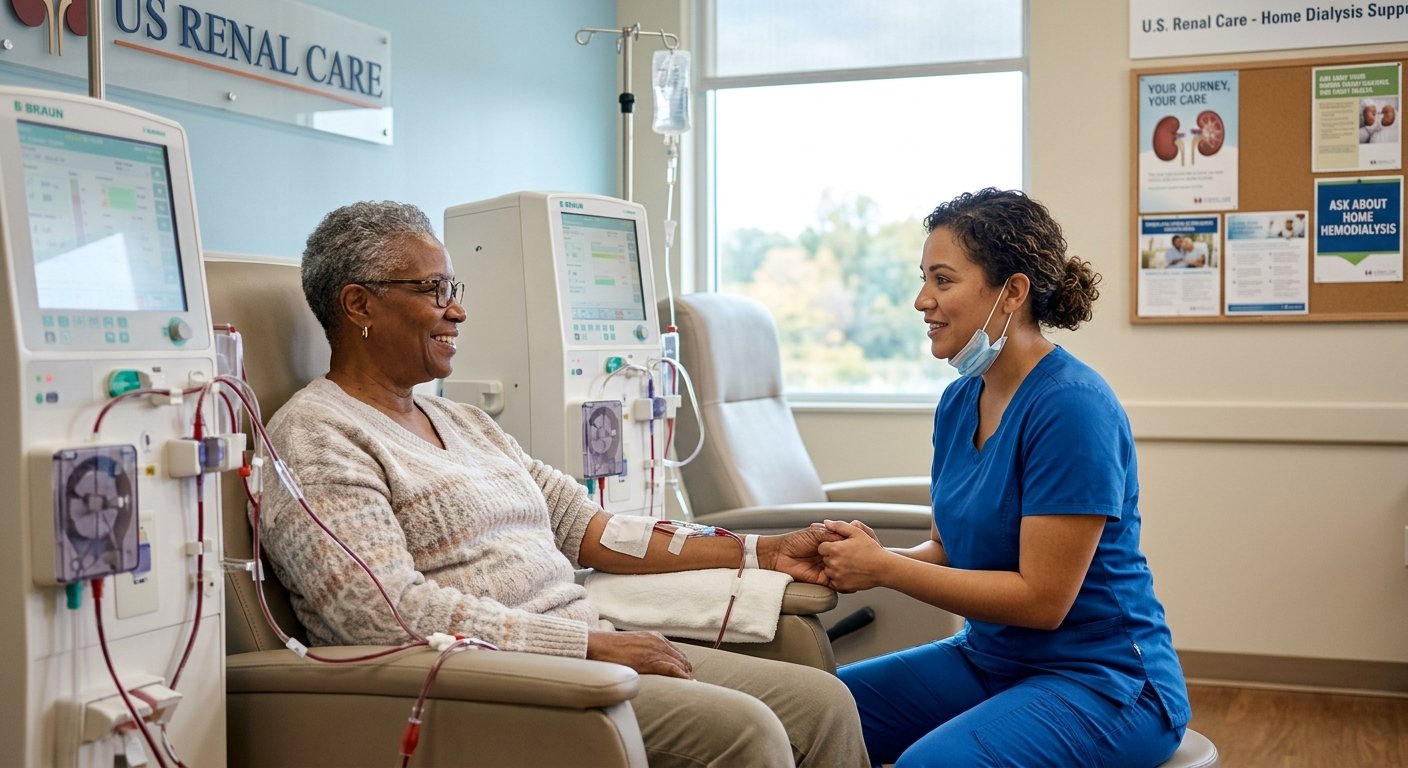
In-center hemodialysis remains one of the most common ways to clean the bloodstream when kidneys stop working well. Patients visit a warm center three times each week for standard sessions lasting roughly four hours. During these visits, specialized machines carefully process blood to remove extra water and toxic fluids safely.
Inside these centers, skilled clinical teams supervise every single step of the process. Registered nurses and technicians monitor blood pressure levels and check heart signs continually. This structured, supervised setup gives people peace of mind knowing medical experts are standing by at all times.
Beyond physical treatments, in-center programs offer social connection with fellow patients. Sharing conversations during weekly visits builds a strong support community that keeps spirits high. Modern clinics also provide cozy chairs, personal entertainment screens, and quiet spaces to help time pass smoothly.
The Benefits of Home Dialysis Therapy Programs
Many patients prefer receiving therapy without traveling to a physical clinic several times a week. Modern home therapy programs allow individuals to perform hemodialysis or peritoneal dialysis safely inside their own living rooms. This flexible approach saves travel time and keeps weekly routines feeling much more normal.
Choosing home care gives patients greater schedule flexibility around work or family duties. Performing smaller, more frequent cleanings at home closely matches natural kidney functions. Many people report having more energy, enjoying fewer food restrictions, and sleeping better when choosing home-based options.
Getting started with home programs requires thorough training alongside dedicated care nurses. Patients and family caregivers learn how to run equipment, handle supplies, and keep spaces completely sterile. Continuous telehealth calls and regular check-ups ensure home users always receive maximum support from clinical teams.
How to Find a US Renal Care Near Me Facility
Finding a clean, convenient center close to your home is very important for maintaining a steady treatment plan. When searching for a us renal care near me location, online tools make searching fast and simple. Staying close to home drastically lowers travel stress on treatment days.
To locate nearby clinics, you can use online mapping apps or visit official medical directories. Most locator tools allow you to type in your city, state, or zip code to view options instantly. You can quickly see phone numbers, open hours, and directions right on your screen.
Before picking a specific clinic, consider visiting the location in person to meet the staff. Check whether their morning or evening treatment shifts align well with your daily routine. Convenient schedules and friendly surroundings make long-term care management much smoother for everyone involved.
Understanding the Iconic US Renal Care Logo and Brand Identity
Visual identity plays a strong role in helping patients recognize trusted healthcare facilities in their neighborhoods. The recognized us renal care logo represents safety, clinical balance, and supportive patient relationships. Seeing this familiar emblem on clinic buildings reassures families that high quality standards are being met.
The visual style uses calm, professional colors like clean blues and soft warm accents. These visual elements communicate steady medical support alongside approachable, friendly patient us rental care. Simple, modern typography makes signage easy to spot from roads or inside medical parks.
A well-designed company logo reflects a continuous promise to uphold high ethical and medical standards everywhere. When patients spot this familiar branding, they know they are entering a facility dedicated to comfort, cleanliness, and specialized medical assistance.
Exploring Career Opportunities and US Renal Care Jobs
Healthcare workers looking for meaningful career moves will find many open us renal care jobs across the nation. Providing life-sustaining care requires a large team of dedicated professionals working together smoothly. From direct clinical roles to supportive office jobs, employees play vital roles in helping communities stay healthy.
Nurses and patient care technicians represent the heart of daily center operations. They build meaningful relationships with regular patients while administering vital blood filtering procedures. Social workers and renal dietitians also work directly with individuals to offer emotional support and meal planning advice.
Beyond hands-on medical roles, administrative personnel keep clinics running efficiently behind the scenes. Facility managers, supply coordinators, and billing experts ensure clinics stay stocked and organized. Working in this growing sector offers clear job stability, competitive pay rates, and strong potential for personal growth.
What Makes Working in Kidney Care So Rewarding?
Working within specialized kidney centers offers deep job satisfaction that differs from fast-paced emergency rooms. Because patients return several times each week, medical teams build deep, long-lasting bonds with the people they serve. You get to celebrate personal milestones alongside patients and their families over many years.
Healthcare employers in this field invest heavily in employee skill development and continuous training. Staff members gain access to modern medical tech updates, safety workshops, and career advancement paths. This strong culture of learning keeps clinical skills sharp and opens doors for leadership opportunities.
A supportive team environment ensures employees feel appreciated for their daily hard work. Shared goals around compassionate service create strong bonds among coworkers. Joining a dedicated healthcare team provides a deeply fulfilling way to make a tangible difference in people’s lives every day.
The Vital Role of Dietitians in Kidney Disease Management
Managing kidney health successfully requires far more than medical machine treatments alone. Specialized renal dietitians play an essential role by helping patients navigate precise nutrition guidelines. Because impaired kidneys struggle to balance minerals, monitoring daily intake of sodium, potassium, and phosphorus is vital.
Dietitians build customized meal strategies that suit personal tastes while protecting overall health. They translate complex lab results into simple, tasty food choices that fit daily home routines. Small changes, like choosing low-potassium snacks or reducing sodium, prevent uncomfortable fluid buildup between clinic visits.
Regular check-ins keep patients motivated and knowledgeable about their daily dietary goals. Dietitians teach families how to read nutrition labels correctly and prepare kidney-friendly recipes at home. This personalized dietary guidance empowers patients to feel stronger and healthier throughout their care plan.
Understanding Social Work and Patient Support Services
Dealing with long-term medical conditions can feel overwhelming for patients and their loved ones. Licensed clinical social workers provide vital guidance to help families manage mental wellness and practical tasks. They step in to offer warm encouragement, active listening, and stress reduction strategies during difficult moments.
Social workers assist patients in navigating health insurance details, financial aid programs, and travel services. If a patient struggles to find reliable rides to weekly appointments, social workers connect them with local community transport options. They make sure no one faces their healthcare journey completely alone.
Emotional support remains just as crucial as physical treatment when managing ongoing health needs. Social workers facilitate patient discussion groups, share coping resources, and help maintain positive mental outlooks. Their presence ensures holistic care that looks after both emotional and physical well-being.
What to Expect During Your First Visit to a Dialysis Center
Stepping into a treatment center for your initial visit can feel intimidating if you do not know what lies ahead. However, clinic teams work hard to create a welcoming, smooth orientation experience for every new guest. Understanding the steps beforehand helps ease pre-visit jitters and builds personal confidence.
Your first appointment usually starts with an informal sit-down tour to meet nurses, technicians, and dietitians. The care team reviews your medical history, checks your vital signs, and answers any personal questions you have. They explain how equipment operates in clear, simple language so you feel totally comfortable.
During the actual procedure, you will rest comfortably in a specialized reclining chair. You can read books, listen to soft music, watch television shows, or take a peaceful nap while machines work. Staff members remain nearby at all times to check your comfort levels and ensure your initial visit goes smoothly.
Innovations Transforming Modern Kidney Treatments
The world of kidney medicine continues to evolve rapidly thanks to ongoing clinical research and tech innovations. Modern filtering machines operate much more quietly, safely, and efficiently than older models did in past decades. Advanced digital tracking tools allow doctors to adjust care plans based on real-time health data.
New advancements in home therapy equipment make home procedures simpler and safer for everyday users. Portable monitoring devices allow medical teams to oversee home treatments remotely, catching minor issues before they turn into problems. These creative tools give patients freedom without sacrificing high-quality medical oversight.
Researchers also continue working toward better transplant protocols and wearable filtering tech. Supporting ongoing clinical advancements ensures patient care remains comfortable, convenient, and effective. The future of kidney health looks brighter every single day as new tools emerge.
Conclusion
Taking control of kidney health requires clear information, expert medical teams, and compassionate care environments. Whether you need in-center therapy, home care, or job options, us renal care offers vital resources nationwide. Finding a convenient center nearby ensures you get high-quality treatment without adding stress to your daily schedule. Dedicated clinical staff, dietitians, and social workers stand ready to guide you through every stage of your health journey.
Have questions about managing kidney care or exploring healthcare career paths? Reach out to a local specialist today or share your thoughts in the comments below!
Frequently Asked Questions (FAQs)
How often do patients need in-center dialysis treatments?
Most people receiving in-center care attend scheduled sessions three times a week. Each session typically lasts around four hours, depending on individual doctor recommendations and specific lab results.
Can I travel while undergoing regular kidney treatments?
Yes, you can still travel! Visiting choices called transient care allow you to schedule temporary treatment slots at authorized facilities near your travel destination so you never miss a session.
What qualifications are required for nursing jobs in this field?
Registered nurse roles generally require an active state nursing license, basic life support certifications, and preferred clinical experience in kidney care or intensive care settings.
How do I prepare my home for home therapy options?
Your care team evaluates your living space to ensure you have clean water access, reliable electrical outlets, and a sterile, tidy area to store weekly treatment supplies safely.
Is specialized diet advice included with regular treatments?
Yes, clinical facilities provide access to dedicated renal dietitians. They analyze your monthly lab work and design tailored meal plans to help you stay feeling healthy and energetic.
How do I locate a clinic close to my current residential area?
You can use standard online search tools, mapping software, or directory search bars by entering your current zip code or city name to find nearby facilities immediately.
