

Animated films often introduce villains who are threatening, dark, or intimidating. However, Despicable Me took a different approach by presenting a villain who is quirky, loud, comedic, and instantly memorable. That character is Vector. The phrase vector despicable me has become widely searched because Vector is not just a villain—he is a pop-culture icon who represents a unique blend of humor, arrogance, and exaggerated intelligence.
Vector’s character stands out in the Despicable Me franchise for his over-the-top personality, distinctive fashion sense, and hilarious rivalry with Gru. This article explores Vector in depth—his background, personality, design, cultural impact, and why he remains one of the most recognizable animated antagonists of the modern era.
Vector Despicable Me: Character Introduction and Background
When discussing vector despicable me, it is essential to begin with his introduction in the first Despicable Me film released in 2010. Vector is introduced as a young, tech-savvy villain who steals the Great Pyramid of Giza using advanced shrink-ray technology. This act immediately establishes him as both brilliant and absurd.
Vector’s real name is Victor Perkins, and he is the son of Mr. Perkins, the head of the Bank of Evil. Unlike traditional villains who rely on fear or brute force, Vector uses intellect, gadgets, and technology to outsmart his opponents. His privileged upbringing plays a significant role in shaping his personality, making him arrogant and dismissive of others.
Vector Despicable Me: Personality Traits and Behavior
One of the most entertaining aspects of vector despicable me is his exaggerated personality. Vector is:
- Extremely confident
- Arrogant and condescending
- Obsessed with proving his superiority
- Socially awkward yet self-assured
He often flaunts his intelligence and gadgets, believing himself to be the smartest villain alive. His constant taunting of Gru reveals a childish need for validation, which contrasts humorously with his advanced technological capabilities.
Despite being a villain, Vector is not truly evil in a traditional sense. His behavior feels more like that of a spoiled genius who wants recognition rather than domination. This trait makes him amusing rather than frightening.
Vector Despicable Me: Iconic Fashion and Visual Design
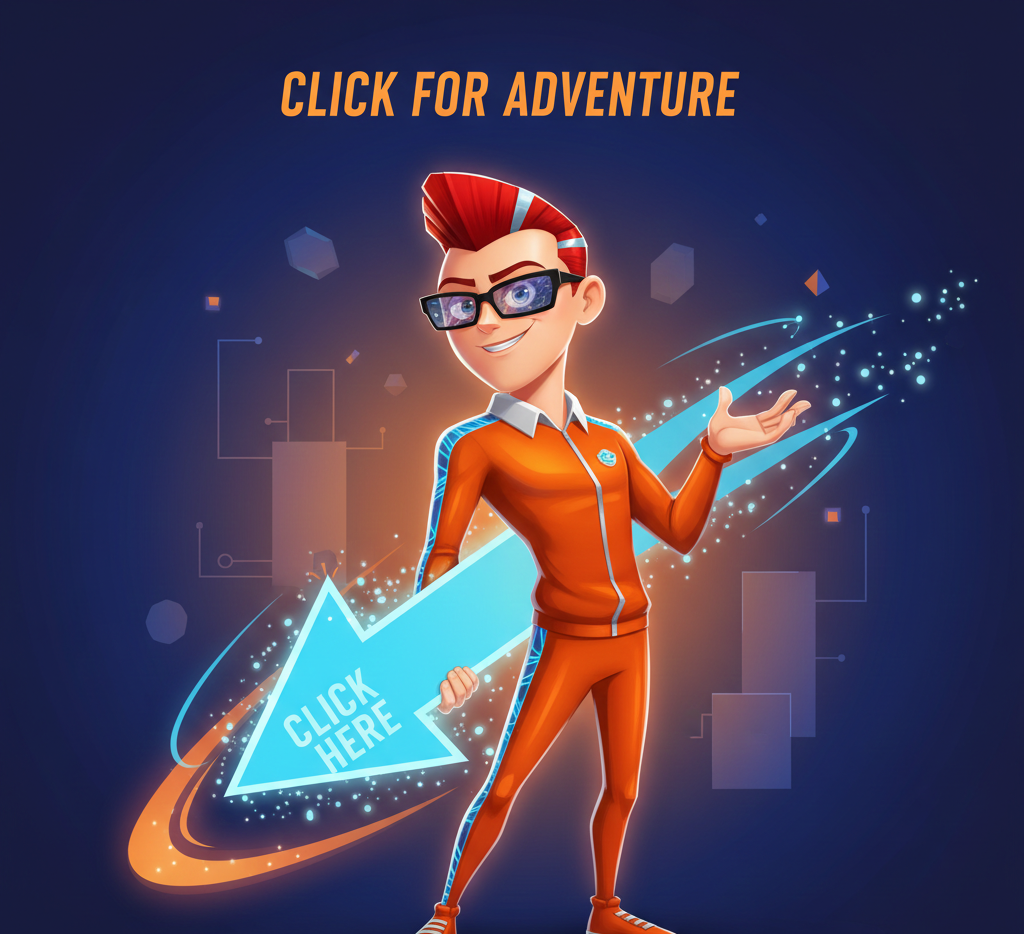
The visual design of vector despicable me is one of the most recognizable in modern animation. Vector’s appearance is intentionally exaggerated to reflect his personality:
- Orange tracksuit
- White boots
- Square-shaped body
- Bowl-cut hairstyle
- Thick black glasses
His outfit resembles a retro athletic suit, reinforcing his childish nature. The geometric shape of his body aligns with his name—“Vector”—which is a mathematical concept involving direction and magnitude. This clever design choice reinforces his identity as a math-obsessed tech villain.
Vector’s design is so iconic that he became a popular subject for memes, fan art, and cosplay worldwide.
Vector Despicable Me: Relationship with Gru
The rivalry between Gru and Vector is central to the story of vector despicable me. Gru initially sees Vector as a nuisance, but the competition between them escalates quickly when Vector steals the Pyramid and gains recognition from the Bank of Evil.
Vector constantly mocks Gru, calling him outdated and inferior. This rivalry pushes Gru to take greater risks, including adopting the three girls as part of his plan to infiltrate Vector’s fortress. Ironically, Vector’s arrogance indirectly leads to Gru’s emotional transformation.
This dynamic creates comedic tension while also serving as a catalyst for Gru’s character development.
Vector Despicable Me: Gadgets, Technology, and Weapons
A defining feature of vector despicable me is his reliance on advanced technology. Vector uses an impressive arsenal of gadgets, including:
- A shrink ray
- Heat-seeking missiles
- Piranha guns
- Squid launchers
- A fortress protected by complex security systems
Unlike Gru, who relies on teamwork with the Minions, Vector works mostly alone, trusting his inventions over relationships. His obsession with technology symbolizes isolation and arrogance, which ultimately becomes his downfall.
Vector Despicable Me: Humor and Comedy Style
The comedy surrounding vector despicable me is a blend of visual gags, exaggerated speech, and ironic situations. His confidence often contrasts sharply with reality, creating humorous outcomes.
Some notable comedic elements include:
- Vector’s dramatic villain poses
- Over-explaining simple concepts
- Constant self-praise
- His awkward dance moves
His humor appeals to both children and adults. Younger audiences enjoy his silly behavior, while older viewers appreciate the satire of tech arrogance and entitlement.
Vector Despicable Me: The Famous “Direction and Magnitude” Scene
One of the most iconic moments tied to vector despicable me is when Vector explains his name using the phrase “direction and magnitude.” This scene became legendary among fans and internet users.
The line:
“Vector! That’s me. Because I commit crimes with both direction and magnitude.”
This moment perfectly encapsulates Vector’s character—intelligent yet ridiculous. It also contributed significantly to the character’s meme status online.
Vector Despicable Me: Voice Acting and Performance
The success of vector despicable me is also due to the exceptional voice acting by Jason Segel. His energetic delivery, exaggerated tone, and comedic timing brought Vector to life.
Segel’s performance balances arrogance with vulnerability, making Vector both annoying and lovable. His voice perfectly matches the character’s design, enhancing the overall comedic effect.
Voice acting plays a critical role in animated films, and Vector is often cited as an example of how strong vocal performance can elevate a character.
Vector Despicable Me: Cultural Impact and Meme Popularity
The phrase vector despicable me continues to trend years after the film’s release due to Vector’s lasting cultural impact. He has become a meme icon across platforms like:
- TikTok
- Twitter (X)
Memes often focus on:
- His “direction and magnitude” speech
- His outfit
- His exaggerated confidence
- His rivalry with Gru
Vector’s meme popularity demonstrates how animated characters can transcend their original films and become symbols of internet humor.
Vector Despicable Me: Role in the Overall Franchise
Although Vector does not return as a major antagonist in later films, vector despicable me remains an important part of the franchise’s identity. His presence in the first movie sets the tone for the series’ blend of humor and heart.
Vector represents the “old” villain model focused on ego and technology, while later films shift toward emotional growth, family, and redemption. His absence highlights how Gru evolves beyond rivalry and competition.
Vector Despicable Me: Symbolism and Deeper Meaning
Beyond comedy, vector despicable me carries subtle symbolic meaning. Vector represents:
- Privilege without humility
- Intelligence without empathy
- Achievement without connection
His downfall occurs not because he lacks intelligence, but because he lacks emotional awareness and teamwork. In contrast, Gru succeeds by forming bonds and embracing responsibility.
This contrast reinforces the film’s core message: success is not just about power or intelligence, but about relationships and growth.
Vector Despicable Me: Fan Reception and Legacy
Fans continue to celebrate vector despicable me for his originality and humor. Many consider him one of the most memorable animated villains of the 2010s.
Reasons for his lasting popularity include:
- Unique character design
- Quotable dialogue
- Strong comedic presence
- Relatable flaws exaggerated for humor
Even without recurring appearances, Vector’s legacy remains strong through merchandise, memes, and fan discussions.
Vector Despicable Me: Influence on Animated Villain Design
The success of vector despicable me influenced how animated villains are portrayed. Instead of relying solely on fear, modern animation increasingly embraces:
- Comedic antagonists
- Flawed, human-like villains
- Humor-driven conflict
Vector helped prove that villains can be entertaining without being terrifying, paving the way for more nuanced antagonist designs.
Vector Despicable Me: Why the Character Still Matters
More than a decade after Despicable Me premiered, vector despicable me remains relevant because the character reflects modern themes:
- Tech obsession
- Ego culture
- Internet fame
- Intelligence without wisdom
These themes resonate strongly in today’s digital age, making Vector feel surprisingly timeless.
Conclusion: Vector Despicable Me as an Animated Icon
In conclusion, vector despicable me is far more than a secondary villain. Vector is a brilliantly crafted character whose humor, design, and personality left a lasting mark on animated cinema. From his iconic orange tracksuit to his legendary “direction and magnitude” speech, Vector continues to entertain audiences around the world.
His role in Despicable Me demonstrates how a well-written villain can elevate a story, create cultural impact, and remain memorable long after the credits roll. Vector’s blend of intelligence, arrogance, and comedy ensures his place as one of animation’s most unforgettable antagonists.
