

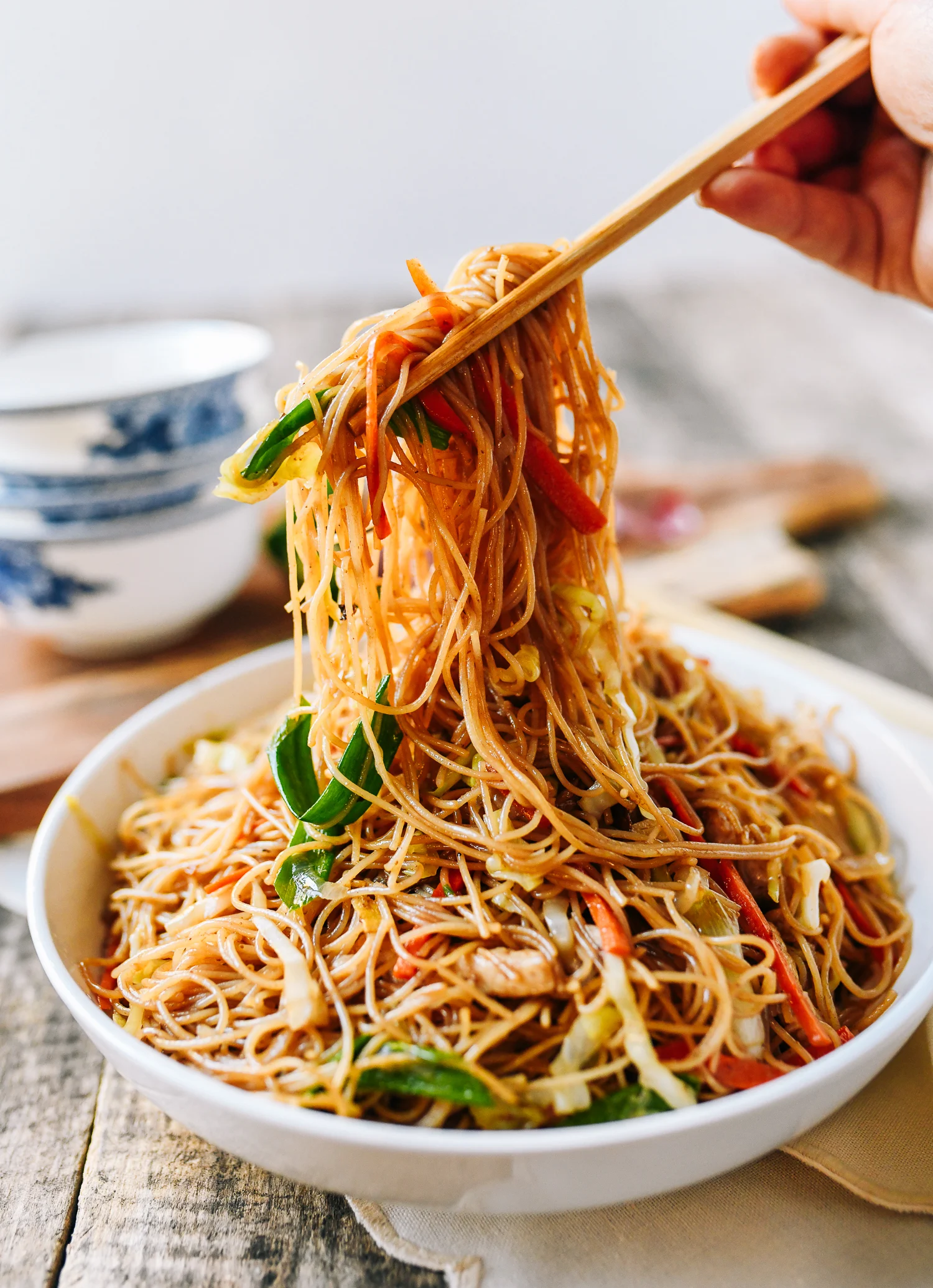
Singapore mei fun is one of the most recognizable and widely loved noodle dishes found on Chinese restaurant menus around the world. Known for its bright yellow color, aromatic curry flavor, and light rice vermicelli noodles, singapore me fun delivers bold taste without feeling heavy. Despite its name, the dish is more closely associated with Chinese-Cantonese cuisine than with Singapore itself, making it a fascinating example of culinary adaptation and global fusion.
This in-depth guide explores singapore me fun from every angle—its origins, ingredients, cooking style, variations, nutritional value, and cultural significance—explaining why it continues to be a favorite across generations.
Singapore Mei Fun and the Origins of the Dish
To understand singapore me fun, it is important to explore where it truly comes from. Although the name suggests a connection to Singapore, the dish actually originated in Chinese-Cantonese restaurant culture. The term was likely chosen to evoke exotic Southeast Asian flavors rather than to represent authentic Singaporean cuisine.
Cantonese chefs developed singapore me fun as a curry-flavored version of traditional stir-fried rice vermicelli. Over time, it became especially popular in Chinese-American, Canadian, British, and Australian Chinese restaurants.
Singapore Mei Fun and the Meaning Behind the Name
The name singapore me fun combines two key ideas. “Mei fun” refers to thin rice vermicelli noodles, while “Singapore” signals the use of curry spices and bold seasoning.
In many restaurants, singapore me fun indicates a spicier, more aromatic noodle dish compared to plain chow mei fun. The name has become a menu shorthand for flavor, color, and intensity.
Singapore Mei Fun and the Rice Vermicelli Noodles Used
At the heart of singapore me fun are rice vermicelli noodles. These thin noodles are made from rice flour and water, resulting in a light and delicate texture.
Rice vermicelli absorbs seasoning exceptionally well, making it the perfect base for the curry-infused flavors of singapore me fun. Unlike thicker wheat noodles, these rice noodles remain soft without becoming heavy.
Singapore Mei Fun and the Signature Yellow Color
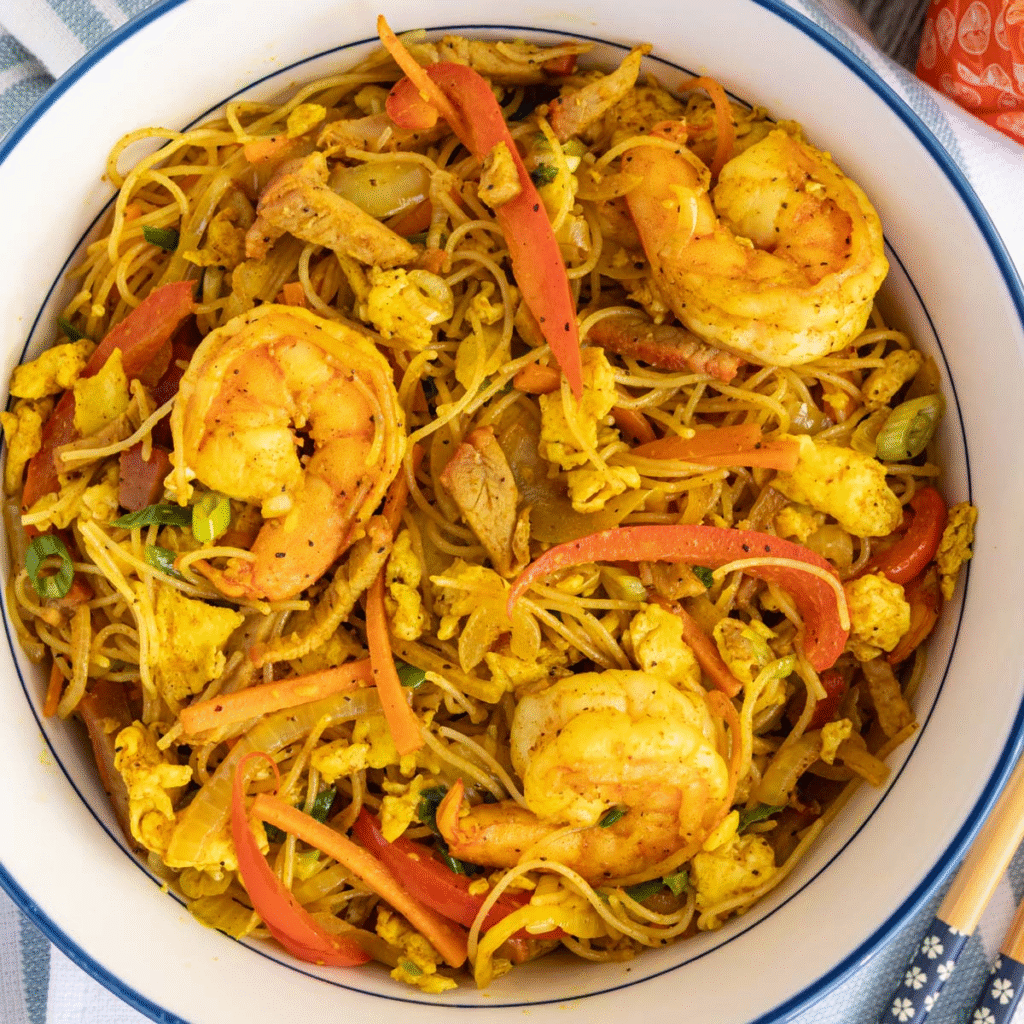
One of the most recognizable features of singapore me fun is its vibrant yellow color. This color comes from curry powder, which is the defining spice blend in the dish.
The yellow hue not only enhances visual appeal but also signals the warm, aromatic flavor profile that sets singapore me fun apart from other noodle dishes.
Singapore Mei Fun and Curry Flavor Influence
Curry is the soul of singapore me fun. The curry powder used is typically mild but aromatic, offering depth without overwhelming heat.
This curry influence gives singapore me fun a savory, slightly earthy flavor that pairs beautifully with rice noodles, vegetables, and proteins. The spice blend creates complexity while remaining approachable for a wide audience.
Singapore Mei Fun and Common Ingredients Used
Singapore me fun is highly adaptable, but most versions include a familiar set of ingredients:
- Rice vermicelli noodles
- Curry powder
- Vegetables such as cabbage, onions, carrots, and bell peppers
- Proteins like shrimp, chicken, pork, or barbecue pork
- Eggs for richness and texture
- Garlic and scallions for aroma
These ingredients combine to create a dish that is flavorful, colorful, and satisfying.
Singapore Mei Fun and Protein Choices That Enhance Flavor
Protein selection plays a major role in singapore me fun. Shrimp is especially popular, adding sweetness that balances the curry spice.
Chicken offers a mild base, while pork or barbecue pork contributes richness. Many versions include multiple proteins, giving singapore me fun a layered and indulgent taste.
Singapore Mei Fun and Vegetable Pairings
Vegetables add crunch, color, and nutrition to singapore mei fun. Cabbage and bean sprouts provide freshness, while onions and carrots add sweetness.
The vegetables help balance the spice of the curry and keep singapore me fun light despite its bold flavor profile.
Singapore Mei Fun and the Stir-Frying Technique
Singapore me fun is traditionally prepared using stir-frying. This high-heat cooking method allows ingredients to cook quickly while preserving texture and flavor.
The noodles are tossed rapidly with curry seasoning, vegetables, and proteins, ensuring even distribution of flavor throughout the dish.
Singapore Mei Fun and Texture Balance
Texture is an important part of the singapore mei fun experience. Soft rice noodles contrast with crisp vegetables and tender proteins.
This balance keeps the dish interesting from the first bite to the last, preventing it from feeling monotonous or heavy.
Singapore Mei Fun and Its Role in Chinese-American Cuisine
In Chinese-American restaurants, singapore me fun is often a top seller. Diners seeking something bold but not greasy frequently choose this dish.
Its popularity reflects the evolution of Chinese cuisine abroad, where chefs adapted traditional techniques to suit local tastes while introducing new flavor profiles.
Singapore Mei Fun and Cultural Fusion
Singapore me fun is a prime example of culinary fusion. It blends Chinese cooking techniques, Southeast Asian spice influences, and Western restaurant culture.
This fusion has allowed singapore me fun to thrive globally, even though it does not originate from a single traditional cuisine.
Singapore Mei Fun and Nutritional Considerations
Singapore me fun is often considered a lighter alternative to wheat-based noodle dishes. Rice noodles are low in fat and provide quick energy.
When prepared with vegetables and lean proteins, singapore me fun can be part of a balanced meal. The curry seasoning adds flavor without requiring heavy sauces.
Singapore Mei Fun and Gluten-Free Dining
Because rice vermicelli noodles are made from rice flour, singapore me fun is naturally gluten-free. This makes it appealing to diners avoiding gluten.
However, sauces and seasonings should always be checked, as some restaurant preparations may include gluten-containing ingredients.
Singapore Mei Fun and Spice Level Expectations
Despite its curry flavor, singapore me fun is usually mild rather than spicy. The dish focuses on aroma and warmth rather than heat.
Some restaurants offer spicier versions, but traditionally, singapore me fun is designed to be flavorful without overwhelming the palate.
Singapore Mei Fun and Vegetarian Adaptations
Vegetarian versions of singapore me fun are increasingly popular. By using tofu or plant-based proteins and extra vegetables, the dish remains satisfying and aromatic.
These adaptations highlight the versatility of singapore me fun and its ability to fit different dietary lifestyles.
Singapore Mei Fun and Home Cooking Popularity
Home cooks enjoy singapore me fun because it is quick to prepare and easy to customize. The dish works well for weeknight meals or casual gatherings.
Its forgiving nature allows cooks to substitute ingredients without losing the essence of singapore me fun.
Singapore Mei Fun and Restaurant Presentation
In restaurants, singapore me fun is typically served as a large, colorful portion. The bright yellow noodles mixed with vegetables and proteins make it visually appealing.
Garnishes such as scallions or herbs may be added to enhance presentation and freshness.
Singapore Mei Fun and Pairing With Other Dishes
Singapore me fun pairs well with soups, dumplings, spring rolls, or stir-fried vegetables. It can also stand alone as a complete and filling meal.
Its bold flavor complements milder side dishes, creating a balanced dining experience.
Singapore Mei Fun and Common Misconceptions
One common misconception is that singapore me fun is an authentic Singaporean street food. In reality, it is a Chinese-Cantonese creation inspired by Southeast Asian flavors.
Another myth is that the dish is very spicy. Most versions are aromatic rather than hot, making singapore me fun accessible to many diners.
Singapore Mei Fun and Differences From Chow Mei Fun
While both dishes use rice vermicelli, singapore me fun differs from chow mei fun due to its curry seasoning and yellow color.
Chow mei fun is typically lighter in flavor, while singapore mei fun is bolder and more aromatic.
Singapore Mei Fun and Modern Culinary Trends
Modern chefs continue to reinterpret singapore mei fun by adding global ingredients or plant-based proteins. Some versions include unique vegetables or spice blends.
These innovations keep singapore mei fun relevant while respecting its traditional foundation.
Singapore Mei Fun and Why It Remains So Popular
The enduring popularity of singapore mei fun lies in its balance of light texture and bold flavor. It offers something different from standard noodle dishes without being intimidating.
Its adaptability, visual appeal, and satisfying taste ensure that singapore mei fun remains a favorite worldwide.
Singapore Mei Fun and Final Thoughts
Singapore mei fun is more than just a noodle dish—it is a symbol of culinary creativity and cultural exchange. From its Cantonese roots to its global presence on restaurant menus, singapore mei fun continues to delight diners with its vibrant color, aromatic curry flavor, and comforting texture.
Understanding singapore mei fun allows diners to appreciate not only its taste but also the story behind it. Light yet bold, simple yet complex, singapore mei fun truly earns its place among the world’s most loved noodle dishes.
