

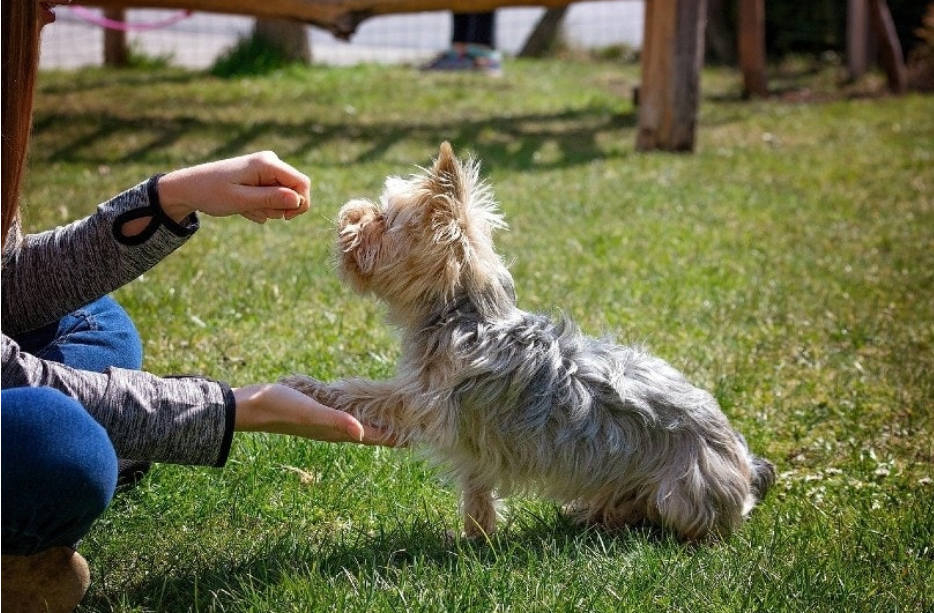
Are you looking for a fun way to help your dog learn new tricks? Maybe your new puppy is acting like a tiny tornado in your living room. Don’t worry, because petsmart training classes are designed to help with exactly that! I remember when I first brought my rescue dog home; he thought the couch was a giant chew toy. It was stressful! Taking a professional class changed everything for us. It wasn’t just about teaching him to “sit.” It was about building a bond and learning how to talk to each other. These classes provide a safe spot for your furry friend to grow and become a well-behaved family member.
When you walk into a store for petsmart training classes, you are entering a world of positive reinforcement. This means the trainers use treats, praise, and toys to reward good behavior. It is much better than the old-school ways of scolding pets. Whether you have a tiny pup or a grumpy senior dog, there is a spot for everyone. In this guide, we will look at all the different levels, what they cost in 2026, and how to get the most out of every session. Let’s dive into the details and find the perfect fit for your four-legged best friend!
PetSmart Training Quick Reference Guide
| Feature | Details |
| Main Training Focus | Positive Reinforcement & Basic Cues |
| Class Duration | 6 Weeks (1 hour per week) |
| Typical Cost | $119 – $139 per course |
| Age Range | 10 weeks to Senior dogs |
| Trainer Status | Accredited PetSmart Trainers |
| Key Equipment | 4-6ft Leash, Flat Collar/Harness, Treats |
Why Choose PetSmart Training Classes for Your Dog?
Choosing where to train your dog is a big choice for any pet parent. Petsmart training classes stand out because they are very convenient and affordable. Most people have a store just a short drive away. This makes it easy to stick to a weekly schedule even when life gets busy. I have found that the group setting is a huge bonus. It allows your dog to learn how to focus even when there are other dogs and smells around. This is what experts call “socialization,” and it is key to having a calm pet in the real world.
Another great reason to join is the expert help. The trainers are accredited and know how to handle different dog personalities. If your dog is a bit stubborn or extra shy, they can give you specific tips. During petsmart training classes, you get to practice in the actual store aisles. This helps your dog realize that they have to listen everywhere, not just in the classroom. It builds a strong bridge between “school” and the “real world.” Plus, seeing other pet parents going through the same struggles makes you feel much less alone in the process.
Understanding the Puppy Training Level
If you have a young pup between 10 weeks and 5 months old, this is the place to start. The puppy version of petsmart training classes is all about the basics. You will learn how to handle potty training, crate training, and teething. These are the “big three” that cause the most headaches for new owners! The class focuses on simple cues like “sit,” “stay,” and “come.” It’s also a wonderful time for puppies to meet other dogs in a controlled way.
I always tell my friends that this stage is like preschool for dogs. It sets the foundation for their whole life. In these petsmart training classes, the goal is to make learning fun. If a puppy enjoys training now, they will be much easier to work with when they are bigger. You’ll spend a lot of time working on “loose-leash walking” so they don’t pull your arm off later! It’s an investment in your future peace and quiet.
Moving Up to Beginner Dog Training
What if your dog is older than 5 months but has never had a formal lesson? That is where the Beginner level of petsmart training classes comes in. This course is perfect for adult dogs or rescues who need to learn some manners. It covers many of the same skills as the puppy class but moves a bit faster. You will work on “impulse control,” which is just a fancy way of saying “don’t jump on the guests!”
During these petsmart training classes, trainers help you tackle established habits. Maybe your dog barks at the mailman or tries to bolt out the door. You will learn how to redirect their energy back to you. It is a very empowering feeling when your dog finally looks at you instead of the squirrel across the street. This level is essential for creating a dog that is a joy to take on walks or to the local park.
Sharpening Skills with Intermediate Classes
Once your dog knows the basics, it’s time to level up. The Intermediate level of petsmart training classes is for dogs who have passed the beginner stage. Here, the focus shifts to “duration” and “distance.” This means your dog should stay in a “down” position even if you walk across the room. It also adds more distractions. Imagine trying to get your dog to stay while a toy is squeaking nearby—it’s a real challenge!
In these petsmart training classes, you will also start working on the “heel” command. This is where your dog walks right by your side without wandering. It takes a lot of practice, but it looks so professional once you nail it. Most owners find that this is where their bond really starts to deepen. You and your dog start working like a team. It’s no longer just about commands; it’s about a shared language that you both understand perfectly.
Reaching the Advanced Level and Beyond
The Advanced tier of petsmart training classes is the “high school graduation” for pets. This class prepares your dog for the real world in every way. Many people take this course if they want their dog to become a Therapy Dog or pass the AKC Canine Good Citizen test. You will practice complex skills with almost no training tools. The goal is for your dog to listen because they want to, not just because you have a treat in your hand.
These petsmart training classes are high-energy and very rewarding. You might practice walking through a crowd or staying calm when a stranger approaches to pet them. It is the ultimate test of your dog’s focus. Even if you don’t plan on doing professional work with your pet, the advanced level is great for mental stimulation. A tired dog is a happy dog, and these classes definitely give their brains a good workout!
Specialty Workshops and Brain Games

Sometimes you don’t need a full six-week course. That’s why petsmart training classes also offer shorter workshops. There are “Brain Games” classes that teach your dog how to solve puzzles and learn fun tricks. This is perfect for high-energy breeds like Border Collies or Labradors. It keeps them from getting bored at home and chewing on your shoes. I’ve seen dogs learn to “spin,” “roll over,” and even “play dead” in just a few sessions.
There are also workshops for specific issues like “Stress Relief” or “Crate Training.” These petsmart training classes are great for targeting one specific problem without committing to a long program. They are usually cheaper and very focused. If your dog is already well-behaved but has one “quirk,” a workshop might be exactly what you need. It’s all about customizing the experience to fit your unique pet’s needs.
The Perks of Private Training Sessions
Not every dog is a “people person”—or a “dog person.” If your furry friend is very nervous or gets too excited around others, private petsmart training classes are a lifesaver. You get one-on-one time with the trainer. This allows you to work at your dog’s own pace without any pressure. I’ve found this is especially helpful for dogs with “leash reactivity” or fear issues that make a group setting too stressful.
The best part about private petsmart training classes is the flexibility. You can choose exactly what you want to work on. If you only want to focus on “recall” (coming when called), you can spend the whole hour on just that. It is a bit more expensive than the group rate, but the results often happen much faster. It’s like having a personal tutor for your dog. For many families, this focused attention is the key to a breakthrough.
What to Bring to Your First Training Class
Preparation is the key to success! For your first day of petsmart training classes, you need a few essential items. First, you must bring proof of vaccinations. This keeps all the dogs in the room safe. You will also need a standard 4-to-6-foot leash. Please leave the retractable leashes at home! They are hard to control in a small classroom. A flat collar or a standard harness is usually the best choice for equipment.
The most important thing to bring to petsmart training classes is “high-value” treats. These are treats your dog absolutely loves, like small pieces of chicken or cheese. Since the store is full of distractions, you need something very tasty to keep their attention. Also, wear comfortable shoes. You will be moving around quite a bit! Coming prepared helps you feel confident, which in turn helps your dog stay calm and ready to learn.
Evaluating the Cost and Value in 2026
Let’s talk about the budget. Most petsmart training classes cost between $119 and $139 for a six-week course. If you break that down, it’s about $20 to $23 per hour. Compared to hiring a private behaviorist, this is a huge bargain! They also offer “Value Packages” where you can buy multiple levels at once for a discount. This is a smart move if you know you want to go all the way to the advanced level.
When looking at the value of petsmart training classes, think about the long term. A well-trained dog is less likely to get into trouble or get hurt. You save money on replaced furniture and stress. Plus, the confidence you gain as a handler is priceless. While you can find videos online for free, nothing beats having a pro watch you and correct your timing in person. That real-time feedback is why these classes remain so popular year after year.
Frequently Asked Questions
How old does my dog have to be to start?
Puppies can start as early as 10 weeks old! They just need to have their first round of shots. For adult petsmart training classes, there is no upper age limit. As they say, you can definitely teach an old dog new tricks!
What if I have to miss a class?
Life happens! If you miss a session of your petsmart training classes, just talk to your trainer. Most of the time, they can give you a quick recap before the next class or suggest a make-up time. They want you to stay on track.
Are the trainers certified?
Yes, all instructors are accredited PetSmart Trainers. They go through a rigorous program that includes 80+ hours of hands-on instruction. They are experts in using positive reinforcement to get results.
Can I bring my whole family to the class?
Usually, yes! Having the whole family involved in petsmart training classes is a great idea. It ensures that everyone is using the same commands and signals at home, which prevents the dog from getting confused.
What if my dog is aggressive?
PetSmart prioritizes safety. If a dog shows aggression, they cannot join a group class. However, you might be able to schedule private petsmart training classes or get a referral to a specialist who can help with those specific needs.
Do I need to buy special equipment?
You don’t need anything fancy. A regular leash, a collar, and some treats are all you need for petsmart training classes. The store sells everything you might need, and the trainer can help you pick the right size.
Conclusion: Take the Leap with Your Pup!
In the end, petsmart training classes are about more than just “sit” and “stay.” They are about building a friendship that lasts a lifetime. Whether you are dealing with a wild puppy or just want to bond with an old friend, these classes offer the tools you need. I’ve seen firsthand how a little bit of professional guidance can turn a stressful household into a happy one. The community, the expert trainers, and the fun environment make it a top choice for pet owners everywhere.
