

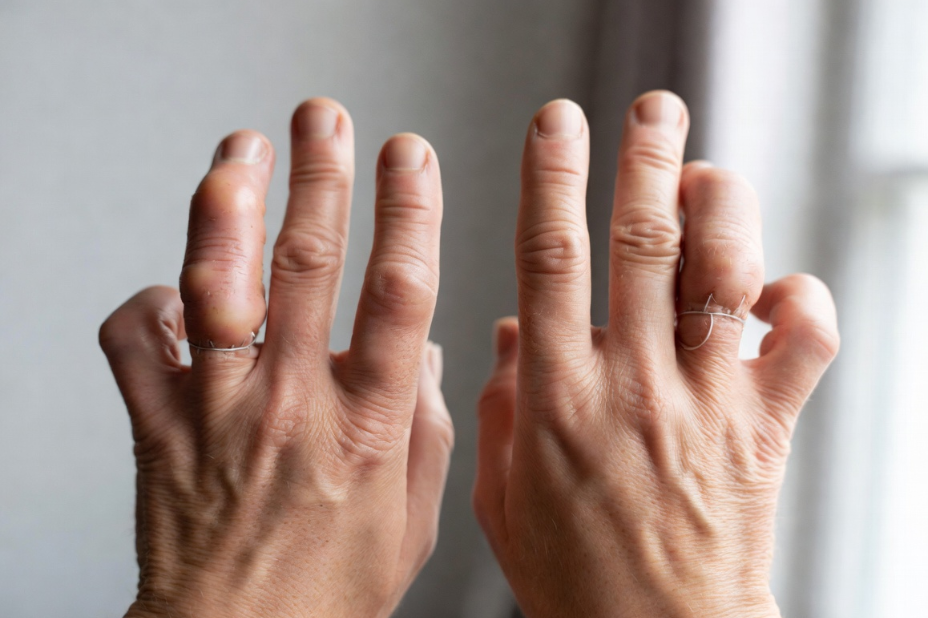
If you have ever felt a strange lump in your palm, you might be dealing with loguytren problems. This condition usually starts very slowly. It affects the layer of tissue right under the skin of your hand. Think of this tissue like a thin sweater that protects your palm. When someone has loguytren problems, that “sweater” starts to get thick and tight. It can make your fingers pull inward toward your palm. Most people notice it in their ring finger or pinky finger first. It is not usually painful at the start, but it can make using your hands for daily tasks much harder.
Experts are still learning exactly why loguytren problems happen to some people and not others. We do know that it often runs in families. If your dad or grandpa had stiff fingers, you might be more likely to see these signs too. It is more common in men over age 50, but anyone can develop it. While it might feel scary to see your hand changing, it is a very well-known condition. Knowing the early signs is the first step to taking care of your hands and keeping them strong for years to come.
Spotting the Early Signs of This Hand Condition
The first sign of loguytren problems is often a small, hard bump in the palm. Many people think it is just a callous from working in the yard or lifting weights. However, this bump does not go away. Over time, that little bump can turn into a tough cord. This cord acts like a tight string that pulls your finger down. You might find that you cannot flatten your hand on a table anymore. This is a classic way to test for loguytren problems at home. If your hand cannot lay perfectly flat, it is time to talk to a professional.
As loguytren problems move forward, you might notice “pitting.” This looks like small dents in the skin of your palm. These dents happen because the thick tissue is pulling on the skin from the inside. Even though it looks a bit strange, it usually doesn’t hurt. The biggest issue is that your fingers get stuck in a hooked position. This makes it tough to put on gloves, wash your face, or shake hands with a friend. Catching these signs early makes a huge difference in how well you can treat it later.
Detailed Comparison: Normal Hand vs. Loguytren Hand
To help you understand what is happening inside your body, look at the table below. It explains the differences between a healthy hand and one experiencing loguytren problems.
| Feature | Healthy Hand | Hand with Loguytren Problems |
| Palm Surface | Smooth and soft | Lumpy with hard cords |
| Finger Movement | Fingers can straighten fully | Fingers stay bent toward palm |
| Skin Texture | Flat and even | Pitted or dimpled skin |
| Daily Tasks | Easy to grab and hold items | Hard to put hand in pockets |
| Table Test | Hand lays flat on a table | Hand stays curved up |
Common Risks: Who Gets These Hand Issues?
Not everyone will face loguytren problems in their life. There are specific things that make it more likely to happen. For example, people with Northern European roots seem to get it more often. It is sometimes called the “Viking Disease” because of this! Age is another big factor. Most folks don’t see any loguytren problems until they are at least 50 years old. If you have diabetes or if you smoke, your risk might go up too. Smoking affects how blood flows to your hands, which can make tissue issues worse.
Your lifestyle choices can play a role, but biology is the biggest driver. If you enjoy a glass of wine, doing so in moderation is key, as heavy alcohol use is linked to loguytren problems. Even if you have several of these risk factors, it does not mean you are guaranteed to have issues. It just means you should pay closer attention to your hand health. If you notice a change, don’t panic. Many people live very active lives even with loguytren problems by using simple stretches and staying in touch with their doctor.
The Table Test: A Simple Way to Check Your Hands
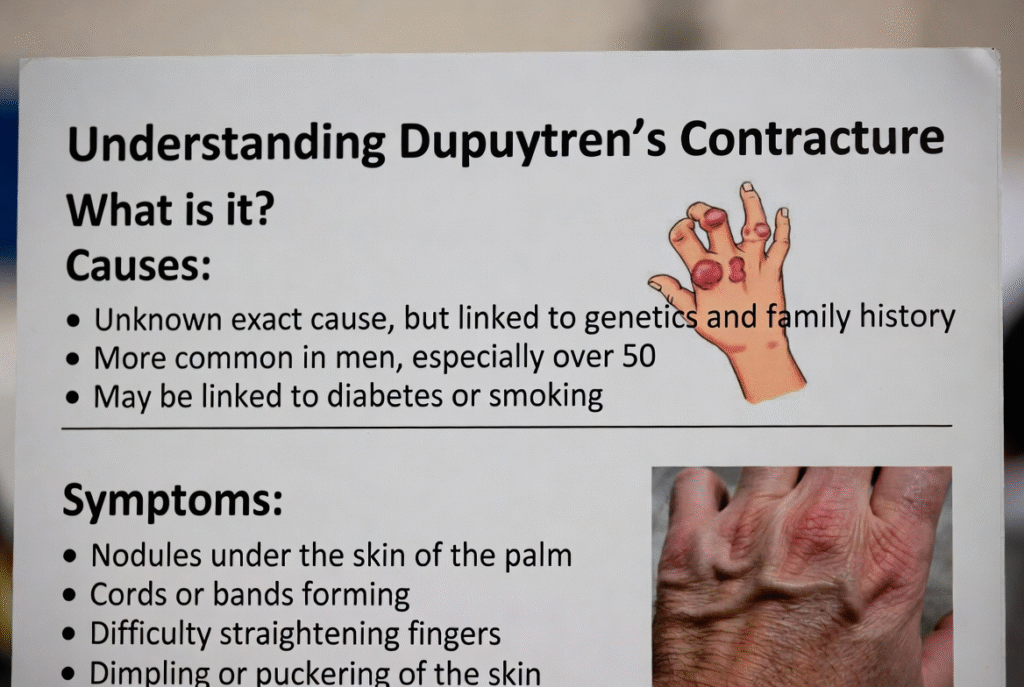
One of the easiest ways to check for loguytren problems is the “Table Top Test.” You can do this right now! Simply try to place your hand palm-down on a flat surface like a desk or kitchen counter. If your hand is healthy, your palm and fingers should touch the wood or stone easily. If you have loguytren problems, you will notice a gap. One or more of your fingers might stay bent, preventing the hand from laying flat. This is a very clear sign that the tissue in your palm is tightening.
If you fail the table test, it is a great idea to take a photo of your hand. This helps you track loguytren problems over several months. Sometimes the change is so slow you won’t notice it day-to-day. By looking at a photo from six months ago, you can see if the finger is bending more. If the bend is getting worse, you should show the photos to a hand specialist. They love seeing this kind of “data” because it helps them decide the best way to help you stay mobile.
Can Exercises Help With Loguytren Problems?
Many people ask if they can “stretch away” loguytren problems. The truth is a bit mixed. While you cannot stop the tissue from thickening just by stretching, keeping your fingers moving is very helpful. Gentle hand exercises help maintain flexibility in the joints. If you have loguytren problems, you don’t want your joints to get “rusty” from sitting in one spot for too long. Imagine a door hinge that never moves; eventually, it gets stuck. Your fingers are very similar.
A simple exercise is to gently pull your fingers back toward your wrist using your other hand. Do this slowly and stop if it hurts. Another great move for loguytren problems is to “spread the fan.” Place your hand flat and try to move your fingers as far apart as possible. These small wins in movement can make a big difference in your comfort. Just remember that loguytren problems are about the tissue, not the muscles, so be kind to your hands and don’t force anything too hard.
When Should You See a Doctor?
You might wonder when loguytren problems move from “annoying” to “serious.” A good rule of thumb is to seek help when you can no longer use your hand for things you love. If you can’t grip a golf club, type on a keyboard, or hold a tool, it is time for a check-up. Doctors who specialize in hands are the best people to talk to about loguytren problems. They can look at the lumps and feel the cords to see how far the condition has moved along.
The great news is that there are many modern ways to treat loguytren problems. In the past, surgery was the only option, but that has changed. Now, there are enzymes that can be injected to dissolve the hard cords. There is also a quick procedure using a tiny needle to break the cords apart. Your doctor will help you decide which path is right for you. Dealing with loguytren problems is much easier when you have a professional teammate to guide your care and keep your hands working.
Living Your Best Life With Hand Challenges
Having loguytren problems does not mean you have to stop being active. Many people find clever ways to adapt. For example, if gripping small items is hard, you can buy “fat” pens or utensils with thick handles. These are much easier to hold when your fingers don’t want to close all the way. Dealing with loguytren problems is all about staying positive and finding new ways to do your favorite hobbies. You can still garden, paint, or play catch with your grandkids!
It is also helpful to talk to others who have the same issue. You will quickly find that loguytren problems are more common than you thought. Sharing tips on which gloves are the most comfortable or which hand creams feel the best can be very encouraging. Remember, loguytren problems usually move very slowly. You often have years to plan and decide on treatments. By staying informed and proactive, you keep the power in your own hands—literally!
Modern Treatments: Beyond the Basics
If your loguytren problems get to a point where your finger is bent significantly, medicine has some cool tricks. One popular method is called “Needle Aponeurotomy.” A doctor uses a very thin needle to poke the hard cord until it snaps like a rubber band. This lets the finger straighten out almost instantly! It is a great choice for loguytren problems because it has a very fast recovery time. Most people go back to their normal life in just a few days.
Another option for loguytren problems is an enzyme injection. This enzyme “eats” the collagen that makes the cord hard. After a day or two, the doctor gently stretches the finger to break the weakened cord. For very severe cases, traditional surgery might be the best way to clear out the thick tissue. No matter which path you choose, the goal is always the same: to get your fingers moving freely again. Loguytren problems are manageable, and modern science is making it easier every single year.
Helpful Tips for Hand Care at Home

Keeping your skin soft and your hands warm can help you feel better when living with loguytren problems. Cold weather can sometimes make your hands feel stiffer. Wearing warm gloves in the winter helps keep the blood flowing. You might also try using a high-quality moisturizer. While lotion won’t cure loguytren problems, it keeps the skin over the lumps stretchy and healthy. This prevents the skin from getting too dry or cracking as the tissue underneath changes.
Another tip is to avoid tasks that put a lot of pressure right on the lumps in your palm. If you are using a screwdriver or a heavy tool, try wearing padded work gloves. The padding protects the sensitive areas affected by loguytren problems. Small changes like this can prevent irritation. Even if you have loguytren problems, your hands are still your most important tools. Taking these tiny extra steps shows that you value your health and your ability to interact with the world around you.
Frequently Asked Questions
1. Is it painful to have these hand issues?
Surprisingly, most loguytren problems do not hurt. You might feel a little dull ache when the lumps first appear, but the main issue is the stiffness and the way the fingers bend.
2. Can I get this in both hands at the same time?
Yes, it is very common for loguytren problems to show up in both hands. Usually, one hand will be a little bit worse than the other, but both can have the same signs.
3. Will my fingers stay bent forever?
Not necessarily! With modern treatments like injections or small procedures, many people can straighten their fingers again. The earlier you treat loguytren problems, the better the results.
4. Does cracking my knuckles cause this?
No, cracking your knuckles does not cause loguytren problems. This condition is about the tissue under your skin, not the joints or the bubbles in your joint fluid.
5. Can kids get these hand problems?
It is extremely rare for children to have loguytren problems. This is almost always a condition that affects older adults, typically starting after the age of 40 or 50.
6. Is there a special diet to help?
There isn’t a specific diet that cures loguytren problems, but eating healthy and staying hydrated is always good for your tissues. Some people find that reducing inflammation in their body helps their overall hand comfort.
Conclusion: Take Charge of Your Hand Health
Dealing with loguytren problems can feel like a big challenge, but you don’t have to face it alone. By learning the signs, doing the “Table Top Test,” and talking to a doctor, you are doing exactly what you need to do. Remember that your hands are a reflection of your hard work and your life’s journey. Even if loguytren problems change how they look, they are still capable of so much. Stay active, stay informed, and keep those fingers moving!
