

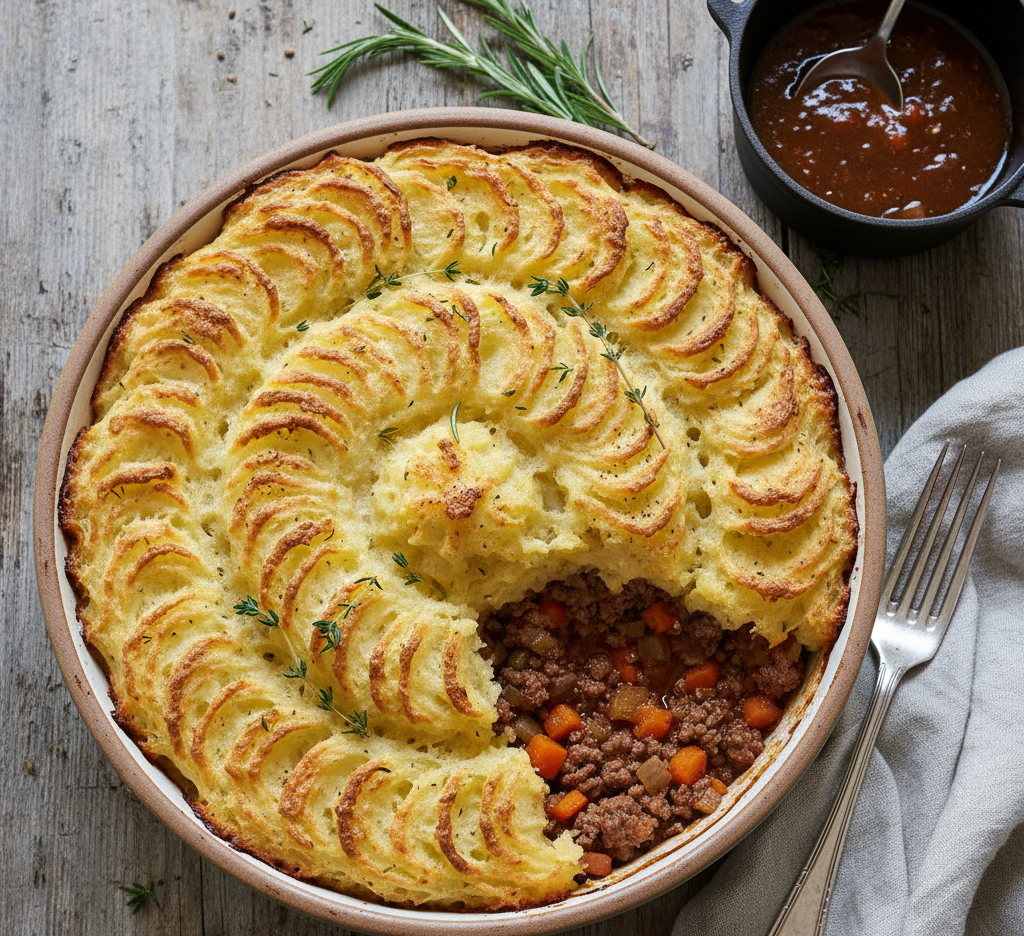
French cuisine is often associated with elegance, precision, and refined flavors, yet some of its most beloved dishes are rooted in simplicity and comfort. One such dish is hachis-parmentier, a hearty and satisfying meal that has earned its place as a staple of French home cooking. Combining seasoned minced meat with creamy mashed potatoes, hachis parmentier is often compared to shepherd’s pie, but it carries a distinct French identity and culinary heritage.
In this comprehensive guide, we will explore hachis parmentier from every angle—its history, ingredients, preparation methods, variations, nutritional value, cultural significance, and why it remains a timeless favorite.
Hachis Parmentier and Its Historical Origins
To truly understand hachis-parmentier, it’s important to look at its origins. The dish is named after Antoine-Augustin Parmentier, an 18th-century French pharmacist and nutritionist who played a crucial role in promoting the potato as a safe and valuable food source in France.
At a time when potatoes were viewed with suspicion, Parmentier advocated for their nutritional benefits. His efforts helped integrate potatoes into French cuisine, and dishes like hachis parmentier became symbols of this culinary shift.
The word hachis refers to chopped or minced meat, while Parmentier honors the man who popularized potatoes. Together, they form a dish that celebrates practicality, nourishment, and comfort.
Hachis Parmentier as a Staple of French Home Cooking
Hachis-parmentier is deeply associated with French home kitchens rather than fine dining restaurants. It is traditionally prepared as a way to use leftover meat, especially beef, making it both economical and sustainable.
In French households, hachis parmentier is often served:
- As a family dinner
- During colder months
- As a comforting, filling meal after a long day
Its simplicity and flexibility have helped it remain popular across generations.
Hachis Parmentier Ingredients Explained
At its core, hachis-parmentier requires only a few basic ingredients, but the quality of those ingredients can significantly affect the final dish.
Core Ingredients:
- Minced or chopped beef (often leftover roast beef)
- Potatoes (commonly starchy varieties)
- Butter
- Milk or cream
- Onions
- Salt and pepper
Optional Enhancements:
- Garlic
- Herbs such as thyme or parsley
- Nutmeg in the mashed potatoes
- Cheese for topping
These simple components come together to create a dish that is rich, comforting, and deeply satisfying.
Hachis Parmentier Preparation Method Step by Step
The preparation of hachis-parmentier is straightforward, making it ideal for home cooks of all skill levels.
Step 1: Preparing the Mashed Potatoes
Potatoes are boiled until tender, then mashed with butter, milk, salt, and sometimes nutmeg. The goal is a smooth, creamy consistency.
Step 2: Cooking the Meat Filling
Minced beef is sautéed with onions and seasoning until fully cooked. Some versions include a small amount of stock or gravy to keep the meat moist.
Step 3: Assembling the Dish
The meat is layered at the bottom of a baking dish, topped with mashed potatoes, and smoothed evenly.
Step 4: Baking
The dish is baked until the top is lightly golden and the filling is hot throughout.
This layered approach defines the classic structure of hachis parmentier.
Hachis Parmentier Compared to Shepherd’s Pie
A common question is how hachis-parmentier differs from shepherd’s pie.
Key Differences:
- Shepherd’s pie traditionally uses lamb, while hachis parmentier uses beef
- French seasoning profiles differ from British ones
- Hachis parmentier often has a creamier potato topping
While the two dishes are similar in concept, their flavors and cultural roots are distinct.
Hachis Parmentier Variations Across France
Although the classic version remains popular, hachis-parmentier has evolved with regional and modern interpretations.
Popular Variations:
- Duck hachis parmentier
- Chicken hachis parmentier
- Vegetarian hachis parmentier with lentils or mushrooms
- Seafood hachis parmentier with salmon
These variations maintain the layered structure while offering new flavors.
Hachis Parmentier with Duck: A Gourmet Twist
One of the most famous variations is duck hachis-parmentier, often made with confit de canard. The rich, tender duck meat pairs beautifully with buttery mashed potatoes.
This version is commonly found in French bistros and elevates the dish from everyday comfort food to something more indulgent.
Hachis Parmentier Vegetarian Adaptations
Modern dietary preferences have inspired vegetarian versions of hachis-parmentier.
Common substitutes include:
- Lentils
- Mushrooms
- Chickpeas
- Plant-based meat alternatives
These versions maintain the comforting texture while offering a plant-based option.
Hachis Parmentier and Nutritional Value
Hachis-parmentier is a balanced dish that provides essential nutrients.
Nutritional Highlights:
- Protein from meat or plant alternatives
- Carbohydrates from potatoes
- Fats from butter and dairy
- Vitamins such as B12, potassium, and iron
While it can be calorie-dense, portion control and ingredient choices can make it suitable for a balanced diet.
Hachis Parmentier as a Make-Ahead Meal
One of the biggest advantages of hachis-parmentier is its suitability for meal prep.
- It can be prepared in advance and refrigerated
- It freezes well
- Flavors often improve after resting
This makes it ideal for busy families and weekly meal planning.
Hachis Parmentier in French Culture
Beyond being a dish, hachis-parmentier holds cultural significance in France. It represents:
- Home cooking
- Resourcefulness
- Comfort and nostalgia
Many French people associate it with childhood meals and family gatherings.
Hachis Parmentier Served in Modern Restaurants
While traditionally a home dish, hachis-parmentier has found its way onto restaurant menus.
Chefs often:
- Add gourmet toppings
- Use premium meats
- Experiment with flavor infusions
This shows how a humble dish can adapt to contemporary culinary trends.
Hachis Parmentier and Seasonal Popularity
Hachi- parmentier is especially popular during:
- Autumn
- Winter
- Cooler evenings
Its warm, filling nature makes it perfect for colder weather.
Hachis Parmentier Tips for Perfect Results
To master hachis -parmentier, consider these tips:
- Use starchy potatoes for smoother mash
- Season each layer separately
- Avoid overly dry meat
- Bake until lightly golden, not overly browned
Small details can greatly enhance the final dish.
Hachis Parmentier Storage and Reheating
Proper storage keeps hachis-parmentier delicious even after cooking.
- Refrigerate for up to 3 days
- Freeze for up to 2 months
- Reheat gently to preserve texture
It often tastes even better the next day.
Hachis Parmentier for Family Meals and Gatherings
Because of its simplicity and universal appeal, hachis-parmentier is perfect for:
- Family dinners
- Potluck events
- Casual gatherings
It’s a dish that pleases both adults and children alike.
Hachis Parmentier and Its Enduring Popularity
The continued popularity of hachi- parmentier comes down to:
- Affordable ingredients
- Simple preparation
- Comforting flavors
- Cultural significance
Few dishes offer so much with so little complexity.
Hachis-Parmentier in International Cuisine
As French cuisine spreads globally, hachis-parmentier has gained international recognition. It appears in cookbooks, cooking shows, and online recipes worldwide.
Its adaptability makes it easy to recreate in different cultures using local ingredients.
Conclusion: Why Hachis-Parmentier Remains a Timeless Dish
Hachis-parmentier is more than just minced meat and mashed potatoes—it is a reflection of French culinary history, comfort, and ingenuity. From its humble beginnings to modern gourmet adaptations, the dish continues to evolve while staying true to its roots.
Whether prepared as a simple family meal or an elevated restaurant dish, hachis parmentier remains a symbol of warmth, nourishment, and tradition. Its enduring appeal proves that sometimes, the simplest dishes are the most memorable.
