

Butterfly weed seeds are gaining popularity among gardeners, conservationists, and pollinator lovers for good reason. Butterfly weed (Asclepias tuberosa) is a vibrant native wildflower known for its bright orange blooms and its powerful role in supporting monarch butterflies and other pollinators. Whether you are a beginner gardener or an experienced native plant enthusiast, learning about butterfly weed seeds can help you cultivate a hardy, low-maintenance, and ecologically valuable plant.
This comprehensive guide explores everything you need to know about butterfly weed seed—from their botanical background and benefits to planting, care, and long-term growth.
Butterfly Weed Seeds and the Botanical Background of Butterfly Weed
To understand butterfly weed seed, it helps to know the plant they produce. Butterfly weed is a perennial wildflower native to North America, especially common in prairies, meadows, and open woodlands. It belongs to the milkweed family but differs from common milkweed in that it has orange flowers and does not release milky sap when cut.
Butterfly weed is drought tolerant, long-lived, and well adapted to poor soils. The seeds carry the genetic blueprint for a plant that thrives in sunny, well-drained environments and plays a vital role in native ecosystems.
Butterfly Weed Seeds and Their Importance for Pollinators
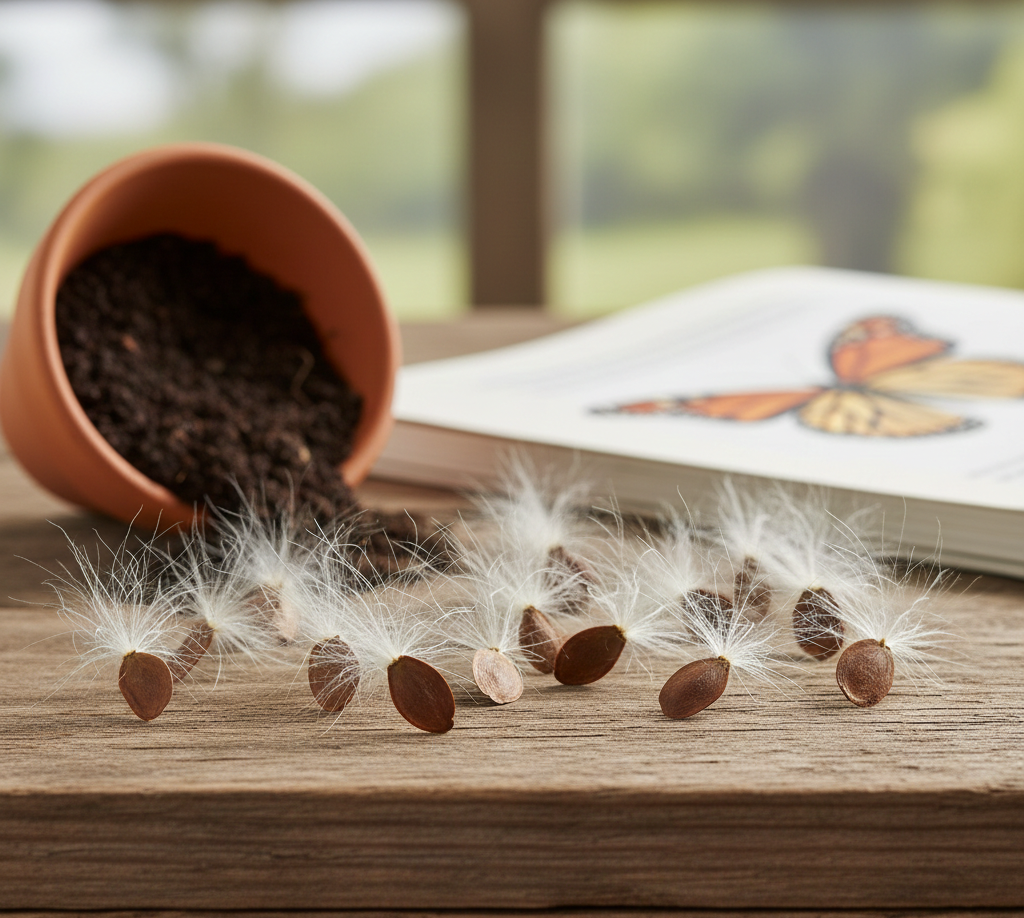
One of the main reasons gardeners seek butterfly weed seed is their importance to pollinators. Butterfly weed is a critical host plant for monarch butterfly caterpillars, which depend on milkweed species for survival.
In addition to monarchs, butterfly weed flowers attract:
- Bees
- Native butterflies
- Wasps
- Beneficial insects
Planting butterfly weed seed contributes directly to pollinator conservation and helps restore habitats that have been lost to urban development and agriculture.
Butterfly Weed Seeds and Their Physical Characteristics
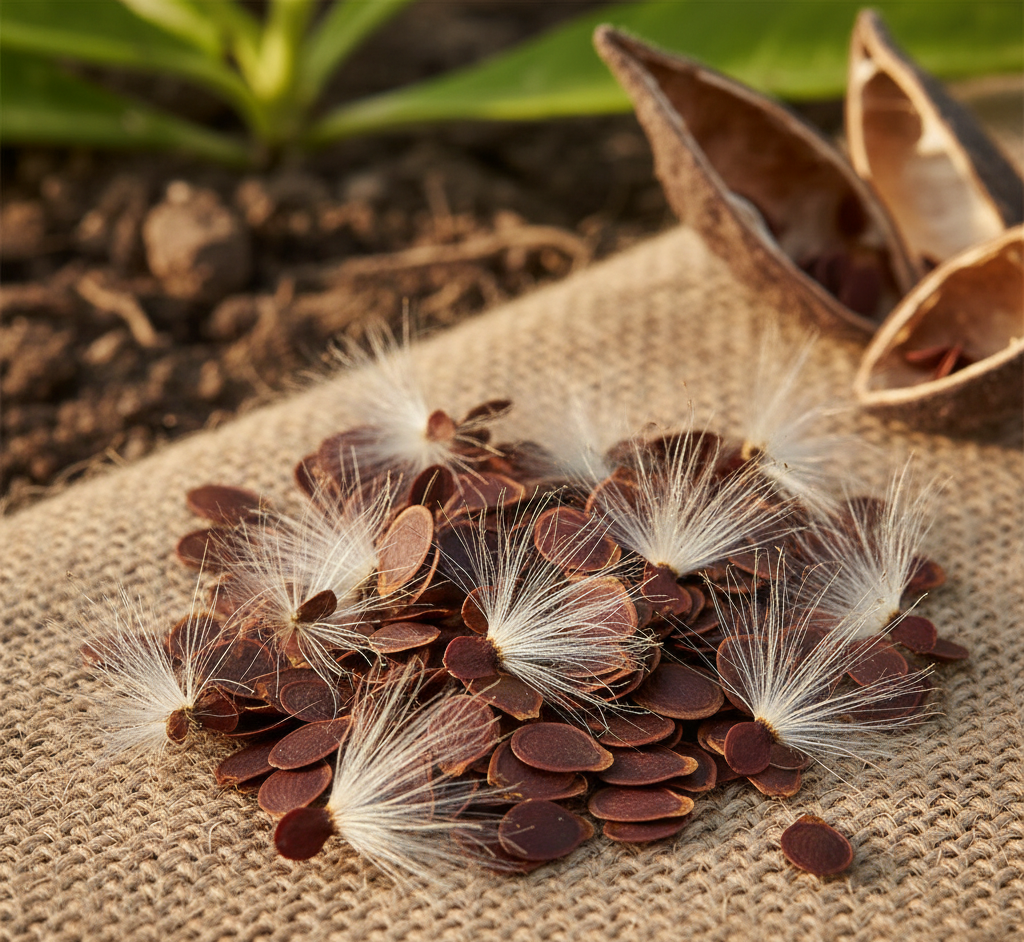
Butterfly weed seed are small, flat, and oval-shaped, with a light brown to dark tan color. Each seed is attached to a silky, white tuft that allows it to be carried by the wind once the seed pod opens.
These silky fibers help spread butterfly weed seed naturally in the wild, increasing the plant’s range and survival. When harvested for gardening, the fibers are usually removed before planting.
Butterfly Weed Seeds and Natural Seed Dispersal
In nature, butterfly weed seed are released from elongated seed pods that split open in late summer or early fall. Wind carries the lightweight seeds across open spaces, allowing them to colonize new areas.
This natural dispersal system explains why butterfly weed thrives in prairies and open fields. Understanding this process helps gardeners mimic natural conditions when working with butterfly weed seed at home.
Butterfly Weed Seeds and Ideal Growing Conditions
Butterfly weed seeds produce plants that prefer specific environmental conditions. These preferences are genetically encoded and influence germination and growth.
Ideal conditions include:
- Full sunlight
- Well-drained soil
- Moderate to low fertility
- Good air circulation
Butterfly weed does not perform well in consistently wet or compacted soil. Choosing the right location is one of the most important steps when planting butterfly weed seed.
Butterfly Weed Seeds and Soil Preferences
Soil quality plays a major role in the success of butterfly weed seed. Unlike many garden plants, butterfly weed thrives in lean, sandy, or rocky soils.
Heavy clay or waterlogged soil can cause root rot, especially in young plants. Gardeners often amend soil to improve drainage rather than fertility when planting butterfly weed seed.
Butterfly Weed Seeds and Seasonal Planting Considerations
Butterfly weed seed respond to seasonal cues. In the wild, seeds naturally fall to the ground in autumn and remain dormant through winter.
Cold exposure helps break dormancy, preparing the seeds for spring growth. Many gardeners replicate this natural cycle by planting butterfly weed seed in fall or simulating winter conditions before spring planting.
Butterfly Weed Seeds and Germination Behavior
Butterfly weed seed germinate more slowly than many annual flowers. This is normal and does not indicate failure.
Once germination occurs, seedlings focus on developing a deep taproot. This early root growth supports the plant’s drought tolerance and long lifespan, but it also means that butterfly weed can take time to establish above ground.
Butterfly Weed Seeds and Early Plant Development
During the first growing season, plants grown from butterfly weed seed may appear small or grow slowly. Most of the plant’s energy is directed underground into root development.
Flowering usually begins in the second or third year. Patience is essential when growing butterfly weed from seed, as the long-term rewards are significant.
Butterfly Weed Seeds and Water Requirements
Butterfly weed seed produce plants that are drought tolerant once established. Young plants need consistent moisture during early growth, but mature plants prefer dry to moderately moist soil.
Overwatering can harm butterfly weed, especially in poorly drained locations. This makes butterfly weed an excellent choice for low-maintenance and water-wise gardens.
Butterfly Weed Seeds and Sunlight Needs
Sunlight is critical for plants grown from butterfly weed seed. Full sun encourages strong stems, vibrant flowers, and abundant blooms.
Plants grown in partial shade may survive but often produce fewer flowers and weaker growth. Choosing a sunny location maximizes the benefits of butterfly weed seed.
Butterfly Weed Seeds and Garden Design Uses
Butterfly weed is a versatile plant in garden design. When grown from butterfly weed seed, it can be used in:
- Pollinator gardens
- Native plant landscapes
- Prairie restorations
- Wildflower meadows
- Drought-tolerant gardens
Its bright orange flowers provide strong visual contrast and pair well with purple coneflower, black-eyed Susan, and native grasses.
Butterfly Weed Seeds and Container Gardening
Although butterfly weed is best suited for in-ground planting, butterfly weed seed can also be grown in containers with proper care.
Containers must be deep enough to accommodate the plant’s taproot and provide excellent drainage. Container-grown plants may require more frequent watering than those grown in the ground.
Butterfly Weed Seeds and Maintenance Requirements
Butterfly weed is known for its low maintenance needs. Once established, plants grown from butterfly weed seed require minimal care.
Maintenance tasks typically include:
- Occasional watering during extreme drought
- Removing spent seed pods if reseeding is not desired
- Cutting back dead stems in late fall or early spring
Fertilization is usually unnecessary and can reduce flowering.
Butterfly Weed Seeds and Pest Resistance
One advantage of butterfly weed seed is that they produce plants with natural pest resistance. The plant contains compounds that deter many herbivores.
While aphids may occasionally appear, they rarely cause serious damage. The presence of aphids often attracts beneficial insects such as ladybugs.
Butterfly Weed Seeds and Deer Resistance
Gardeners frequently choose butterfly weed seeds because the resulting plants are generally deer resistant. The plant’s bitter taste discourages browsing, making it a reliable option in areas with high deer populations.
Butterfly Weed Seeds and Seed Saving
Butterfly weed seeds can be collected and saved for future planting. Seed pods are harvested when they turn brown and begin to split open.
Saved seeds should be stored in a cool, dry place until planting time. Proper storage helps maintain seed viability over multiple seasons.
Butterfly Weed Seeds and Native Plant Conservation
Planting butterfly weed seeds supports native plant conservation efforts. Native plants are adapted to local climates and require fewer resources than non-native species.
By choosing butterfly weed seeds, gardeners help preserve biodiversity and create healthier ecosystems for wildlife.
Butterfly Weed Seeds and Climate Adaptability
Butterfly weed seeds produce plants that are adaptable to a wide range of climates across North America. They tolerate heat, wind, and periodic drought, making them resilient in changing environmental conditions.
This adaptability is one reason butterfly weed is recommended for climate-smart gardening.
Butterfly Weed Seeds and Common Myths
There are several myths surrounding butterfly weed seeds. One common misconception is that butterfly weed spreads aggressively. In reality, it spreads slowly and is easy to manage.
Another myth is that butterfly weed is difficult to grow. While it requires patience, it is relatively easy once established.
Butterfly Weed Seeds and Long-Term Benefits
The long-term benefits of planting butterfly weed seeds include:
- Increased pollinator activity
- Reduced water usage
- Improved soil health
- Long-lasting seasonal color
These benefits make butterfly weed a valuable addition to both home gardens and large-scale restoration projects.
Butterfly Weed Seeds and Final Thoughts
Butterfly weed seeds offer far more than beautiful flowers. They represent a commitment to sustainability, pollinator support, and native plant preservation.
By understanding how butterfly weed seeds grow and what they need to thrive, gardeners can enjoy a resilient, low-maintenance plant that gives back to the environment year after year.
Whether planted in a backyard garden or a natural meadow, butterfly weed seeds are a powerful choice for anyone looking to combine beauty with ecological responsibility.
