

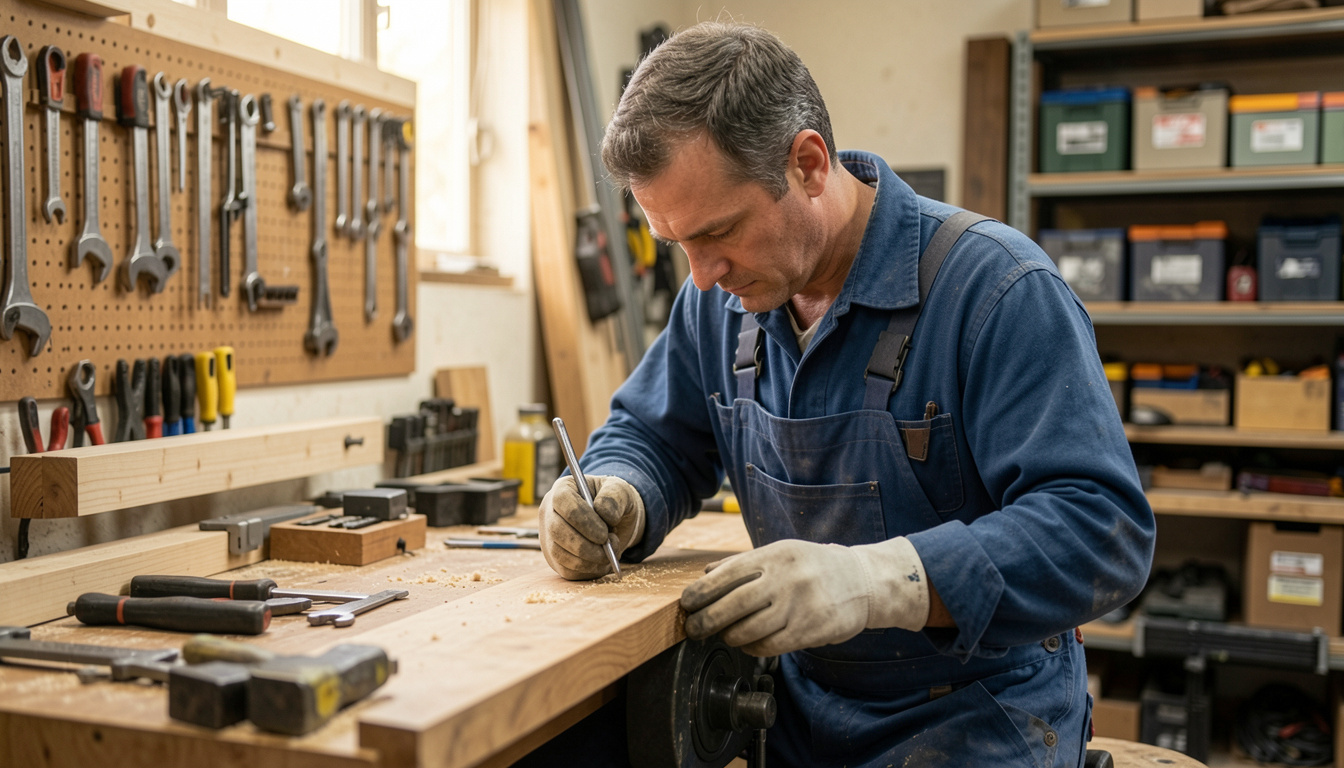
Have you ever walked into a massive hardware store and felt like a kid in a toy shop? For millions of people across Europe, that store was Praktiker. For decades, this bright yellow and blue brand was the go-to place for tools, paint, and garden plants. If you wanted to build a bookshelf or fix a leaky faucet, you jumped in the car and drove straight to your local branch. It was more than just a shop; it was a helpful partner for everyday homeowners.
The company started in Germany a long time ago and quickly grew into a giant. People loved it because it made home improvement projects feel easy and affordable for everyone. Even if you were not a professional carpenter, you felt welcome walking through their wide aisles. Today, we are going to look back at the amazing journey of this famous retail brand. We will explore how it started, how it changed the way we shop, and what lessons it left behind for other businesses.
Table of Contents
The Big Blueprint: A Quick Biography of the Brand
To understand how this DIY giant changed the shopping world, it helps to look at the facts. The table below shows the key details of the company’s journey from a single store to an international name.
| Company Detail | Information |
| Official Name | Praktiker AG |
| Industry Type | Retail and Home Improvement (DIY) |
| Founded Year | 1978 |
| Headquarters Location | Kirkel, Germany |
| Peak Number of Stores | Over 400 locations across Europe |
| Key Products Sold | Tools, building materials, paints, garden supplies |
| Famous Slogan | “20% off everything – except pet food” |
How the Famous Brand Got Started in Germany
The story begins in the late 1970s. A company named ASko opened the very first praktiker store in a city called Luxembourg. Shortly after, they moved operations into Germany. During this time, the idea of a “Do-It-Yourself” store was still pretty new to many families. Most people went to small, local hardware shops if they needed a specific nail or a single hammer.
The founders had a completely different vision for shoppers. They wanted to build a massive warehouse where you could find absolutely everything under one roof. Imagine walking into a giant building and seeing rows of wood, plumbing pipes, and lighting fixtures all in one place. This big-box style of shopping was a massive hit. It saved people time and money, which made the brand famous almost overnight.
The Bright Colors That Welcomed Every Shopper
If you ever saw a store from this brand, you would never forget it. The buildings always featured bright yellow walls and giant blue letters spelling out praktiker. The company chose these colors on purpose because they stood out from far away. They wanted regular families to feel happy and excited when they arrived at the parking lot.
Inside, the stores were designed to be very simple and straightforward. High shelves held heavy boxes of tiles, while lower shelves displayed smaller items like screwdrivers and paintbrushes. The floors were usually plain gray concrete, which gave the store a real workshop feeling. This simple design reminded shoppers that they were there to get to work and save money on their home projects.
Turning Regular People Into Proud Handymen
Before this retail giant came along, many people were afraid to fix things around the house. They thought you needed years of special training to paint a room or fix a fence. But praktiker changed that mindset entirely. They created easy-to-understand guides and colorful brochures that explained projects step-by-step.
The store staff were trained to help regular folks who did not know much about construction. If a grandmother wanted to plant a new rose bush, a worker would show her the exact soil and shovel she needed. This helpful approach built a very strong bond of trust between the brand and its customers. It made people feel brave enough to try new things and take pride in improving their own homes.
The Famous Discount That Everyone Talked About
In the retail world, marketing can make or break a business. This company came up with one of the most famous advertising campaigns in European history. They told customers that they could get twenty percent off absolutely everything in the store, except for pet food. This simple slogan was repeated constantly on television and radio stations.
For a long time, this strategy worked like absolute magic. People would wait for the discount weeks to buy expensive items like lawnmowers or bathroom sinks. The stores would get incredibly crowded with happy shoppers hunting for bargains. It became a cultural phenomenon, and almost every household in Germany knew the catchy jingle by heart.
Expanding the DIY Magic Across European Borders
Once the company conquered Germany, it decided to share its DIY magic with the rest of Europe. The management team started opening new praktiker locations in countries like Hungary, Greece, Poland, and Romania. They realized that families all over the continent wanted the same thing: affordable goods to make their houses look beautiful.
This international growth was a massive milestone for the German brand. In many Eastern European countries, these were the very first modern home improvement hypermarkets to ever open. Local residents were amazed by the massive selection of international tools and modern building materials. For many years, the foreign stores were incredibly successful and brought in huge amounts of pride and profit for the main office.
Buying Up Competitors to Grow Even Bigger
Growing a business is not just about building new stores from scratch. Sometimes, you have to buy other existing companies to stay ahead of the game. That is exactly what praktiker did when they purchased a rival German hardware chain called Max Bahr. Max Bahr was famous for being a slightly fancier store with excellent customer service.
By owning both brands, the parent company thought they had the perfect plan. They used their original stores to attract bargain hunters who wanted the lowest prices possible. Meanwhile, they used the newly bought stores to attract professional builders who wanted premium tools. For a while, this double-strategy made the company look like an unstoppable force in the retail industry.
When the Discount Strategy Started to Backfire
While the famous twenty percent discount brought in millions of customers, it eventually caused major financial trouble. Running a massive warehouse store costs a lot of money because you have to pay for electricity, heating, and hundreds of workers. When you cut your prices by twenty percent too often, your profit margins become very small.
Soon, a big problem started to happen. Customers refused to buy anything at regular price anymore. They would simply wait until the next discount week arrived to do their shopping. This meant the company was selling tons of items but making almost no profit from them. It was a stressful cycle that started to hurt the financial health of the beloved brand.
New Competitors Enter the Home Improvement Arena
No company stays alone in the market forever. Soon, other powerful home improvement chains like Obi, Hornbach, and Bauhaus started to grow rapidly. These rivals noticed the struggles of praktiker and used new ideas to win over shoppers. Instead of focusing only on cheap prices, they focused on beautiful store displays and high-quality products.
Some competitors built gorgeous garden centers that looked like botanical parks. Others created online shops where you could order tools from your mobile phone. Sadly, our yellow and blue brand was slow to update its stores and technology. The locations started to look a bit old-fashioned, and many younger shoppers began drifting away to the shinier, more modern competitors.
The Final Chapters and the Legacy Left Behind
By the year 2013, the financial problems became too heavy to carry. The company officially filed for bankruptcy in Germany, which shocked millions of loyal fans. Most of the original stores had to close down their operations for good. It was a sad moment for the workers who had spent decades helping customers build their dreams.
However, the story does not end completely in darkness. In some countries outside of Germany, local business owners bought the rights to use the famous name. Today, you can still find active praktiker stores in places like Greece, Hungary, and Bulgaria. These stores are run by different companies now, but they still keep the spirit of affordable DIY alive for a brand-new generation of homeowners.
What We Can Learn From This Hardware Journey
The history of this retail giant teaches us a lot of valuable lessons about business and life. First, it shows that change is always happening, and companies must adapt to survive. You cannot rely on the same old marketing tricks forever, even if they worked perfectly in the past. Listening to what modern customers want is the most important rule of retail.
Secondly, it reminds us of the wonderful joy of building things with our own hands. The brand helped an entire generation realize that they had the power to improve their living spaces. Every time you pick up a paintbrush or fix a loose cabinet door, you are practicing the same DIY spirit that this legendary company helped popularize all across Europe.
Frequently Asked Questions
What was Praktiker famous for selling?
The stores were famous for selling everything related to home improvement and gardening. You could buy heavy building materials like bricks and wood, or smaller household items like lightbulbs, paint, and garden flowers.
Why did the company close down in Germany?
The company closed mainly because its famous discount strategy stopped making enough profit. They offered large price cuts too often, which made it hard to pay for the high costs of running their massive warehouse stores.
Are there any stores left open today?
Yes, you can still find active stores in a few European countries like Hungary, Greece, and Bulgaria. These locations are owned and operated by separate international companies that bought the rights to the historic brand name.
What did the famous slogan mean?
The slogan promised customers a twenty percent discount on every single item in the shop, except for animal food. It became incredibly popular and attracted millions of bargain hunters to the stores over the years.
Who were the main competitors of the brand?
The main rivals were other large European hardware and DIY chains like Obi, Hornbach, and Bauhaus. These competitors eventually won over many shoppers by offering more modern stores and better online shopping options.
Can I still buy products from them online?
In countries where the physical stores still exist, like Hungary, you can visit their local websites to order tools and garden supplies online. However, the original German online shop is no longer in operation.
Turning Your Own DIY Inspiration Into Action
Learning about the great history of home improvement stores usually makes people want to start a project of their own. You do not need a massive budget or professional skills to make your living space look beautiful and fresh.
Start with something small and simple this weekend. You could paint a single accent wall in your bedroom, plant some colorful herbs in a kitchen window box, or organize your garage tools. Remember the great lesson of the classic DIY era: with the right tools and a little bit of patience, you can accomplish amazing things all by yourself!
