

The phrase wall street journal trump has become a frequent search term for readers trying to understand the complex, often tense, and sometimes strategic relationship between former U.S. President Donald Trump and The Wall Street Journal (WSJ). As one of the most influential newspapers in the world, the WSJ plays a major role in shaping political, economic, and public opinion—especially regarding high-profile figures like Trump.
This article provides a comprehensive exploration of Wall Street Journal. Trump coverage, examining how the newspaper has reported on Trump over time, the editorial stance it has taken, how Trump has responded, and why this relationship matters in American media and politics.
Wall Street Journal Trump Coverage in American Media
When discussing wall street journal trump, it is important to recognize the unique position of The Wall Street Journal in U.S. media. The WSJ is primarily known for its business and financial reporting, but it also has a powerful editorial section that frequently comments on political leadership and policy.
Trump’s presidency, campaigns, and post-presidency activities have consistently appeared in Wall Street Journal .Trump coverage. Unlike overtly partisan outlets, the WSJ often separates straight news reporting from opinion, creating a nuanced and sometimes contradictory portrayal of Trump.
Wall Street Journal Trump Reporting Style and Tone
One defining characteristic of wall street journal trump articles is their measured and analytical tone. In news reporting, the WSJ tends to focus on facts, economic implications, and institutional impacts rather than emotional language.
This style has sometimes led Trump supporters to view the coverage as critical or skeptical, while critics of Trump may see it as restrained or conservative. The Wall StreetS Journal Trump approach reflects the paper’s long-standing journalistic standards rather than personal alignment.
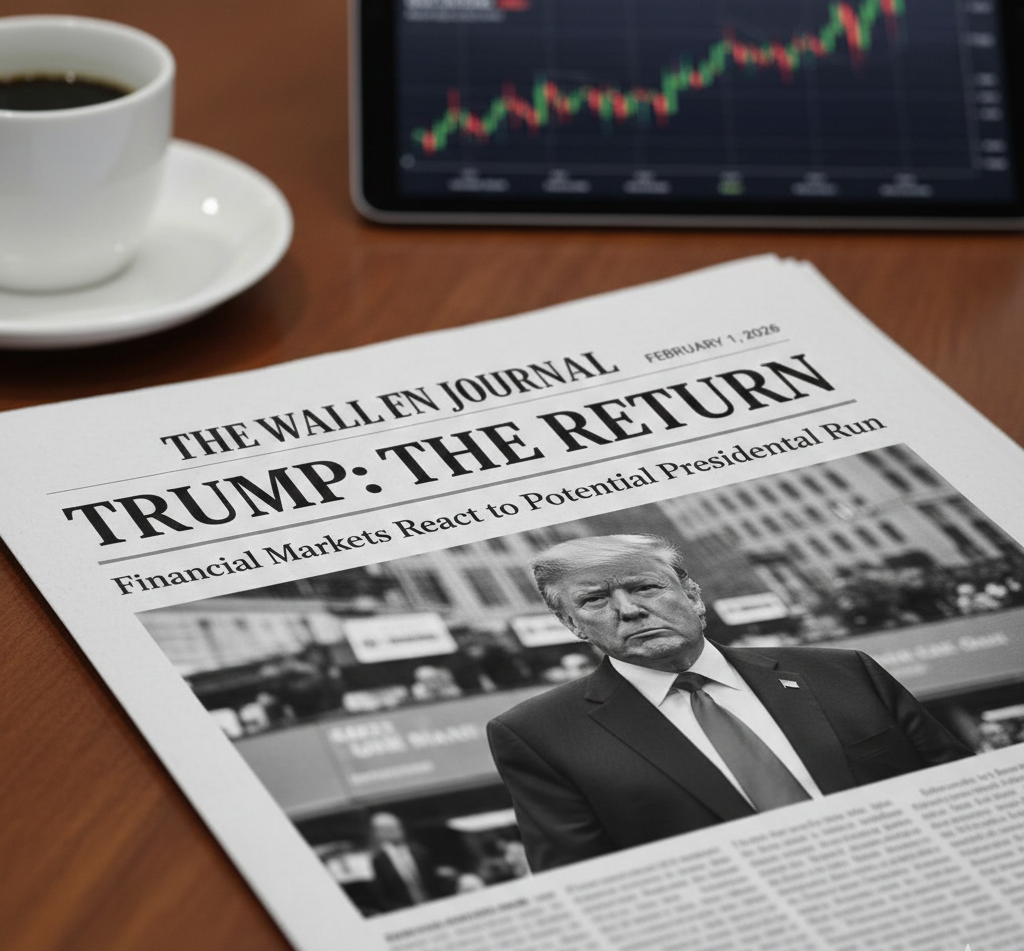
Wall Street Journal Trump Editorial Board Perspective
A key element of wall streets journal trump discussions is the distinction between news coverage and the editorial board’s opinions. The WSJ editorial board has, at times, supported conservative economic policies associated with Trump while simultaneously criticizing his rhetoric, leadership style, or political strategies.
This duality has created a complicated narrative where Wall Streets Journal Trump editorials may praise certain policies while questioning Trump’s decision-making or electoral strategies.
Wall Street Journal Trump and Economic Policy Analysis
Economic policy is central to wall street journal trump coverage. The WSJ frequently analyzed Trump’s tax reforms, trade policies, tariffs, and regulatory changes from a market-oriented perspective.
Many Wall Streets Journal Trump articles focused on how these policies affected businesses, investors, and global markets. Supportive analysis of deregulation often appeared alongside concerns about trade conflicts and long-term economic uncertainty.
Wall Street Journal Trump and Trade Policy Reporting
Trade policy became a defining issue in wall street journal trump reporting, particularly regarding tariffs and international trade relations. The WSJ closely examined how Trump’s trade approach impacted supply chains, manufacturing, and international alliances.
While some Wall Streets Journal Trump pieces acknowledged the political appeal of protectionist measures, others emphasized economic risks and unintended consequences, reinforcing the newspaper’s market-focused viewpoint.
Wall Street Journal Trump and Political Campaign Coverage
During election cycles, wall streets journal trump coverage expanded to include campaign strategy, voter demographics, fundraising, and political messaging. The WSJ often framed Trump’s campaigns through the lens of electability and long-term party implications.
Rather than focusing solely on rally rhetoric, Wall Streets Journal Trump articles frequently analyzed polling trends, institutional responses, and shifts within the Republican Party.
Wall Street Journal Trump and Media Criticism
Trump has long criticized mainstream media, and wall street journal trump interactions are no exception. At various points, Trump publicly criticized the WSJ for what he perceived as unfair or negative coverage.
This tension highlights a broader debate about press freedom, accountability, and the role of journalism in democratic societies. The Wall Streets Journal Trump dynamic illustrates how powerful figures and influential media outlets often clash.
Wall Street Journal Trump Opinion Columns and Contributors
Another important aspect of wall street journal trump content is the diversity of opinion among columnists. While the editorial board may take a particular stance, individual contributors often express varying perspectives.
Some Wall Streets Journal Trump opinion pieces have defended Trump-era policies, while others have criticized his leadership style or political strategy. This internal diversity contributes to the complexity of the WSJ’s overall portrayal.
Wall Street Journal Trump and Conservative Readership
The relationship between wall streets journal trump coverage and conservative readers is particularly interesting. Many conservative readers trust the WSJ for its economic expertise but may disagree with its political critiques of Trump.
This tension reflects broader divisions within conservative media consumption, where readers balance loyalty to political figures with respect for established institutions like the Wall Street Journal.
Wall Street Journal Trump Compared to Other Media Outlets
Comparing wall streets journal trump coverage with that of other major outlets reveals notable differences. Unlike cable news networks or highly partisan publications, the WSJ generally avoids sensationalism.
Wall Streets Journal Trump reporting tends to emphasize policy impact, institutional stability, and long-term consequences, offering a contrast to more personality-driven coverage elsewhere.
Wall Street Journal Trump and Institutional Credibility
Institutional credibility is a recurring theme in wall streets journal trump analysis. The WSJ often frames Trump-related stories around their impact on democratic norms, government institutions, and global confidence in U.S. leadership.
This focus aligns with the newspaper’s traditional audience, which includes business leaders, policymakers, and investors concerned with stability and predictability.
Wall Street Journal Trump Coverage After the Presidency
The phrase wall streets journal trump continues to trend even after Trump left office. Post-presidency coverage has focused on his political influence, legal challenges, endorsements, and role within the Republican Party.
The WSJ often approaches this phase analytically, assessing whether Trump remains a dominant political force or a transitional figure within American politics.
Wall Street Journal Trump and Legal Reporting
Legal issues have also become a significant part of wall street journal trump reporting. The WSJ typically covers legal developments with caution, emphasizing verified information, procedural context, and potential implications.
Rather than speculation, Wall Streets Journal Trump legal coverage tends to focus on what cases mean for governance, elections, and institutional trust.
Wall Street Journal Trump and Public Trust in Media
The ongoing debate surrounding wall street journal trump highlights broader questions about public trust in media. Trump’s criticism of mainstream outlets has influenced how readers interpret coverage, including that of the WSJ.
The Wall Streets Journal Trump relationship serves as a case study in how media credibility is challenged, defended, and reshaped in polarized political environments.
Wall Street Journal Trump and Global Perception
International readers also follow wall streets journal trump coverage to understand how U.S. leadership is perceived globally. The WSJ often contextualizes Trump-related developments within international markets and foreign policy frameworks.
This global lens distinguishes Wall Street sJournal Trump reporting from more domestically focused outlets.
Wall Street Journal Trump and the Business Community
For the business community, wall streets journal trump coverage is especially influential. Executives and investors rely on the WSJ to assess how Trump’s policies and political activity may affect markets and regulations.
This practical focus reinforces the WSJ’s role as a trusted source for decision-makers, even amid political controversy.
Wall Street Journal Trump Criticism and Praise Balance
One reason wall street journal trump coverage stands out is its balance of criticism and praise. The WSJ has praised certain economic initiatives while openly criticizing behavior it views as harmful to institutions or political strategy.
This balance has sometimes frustrated both Trump supporters and critics, but it reflects the paper’s editorial independence.
Wall Street Journal Trump Influence on Political Discourse
The influence of wall street journal trump coverage extends beyond readership numbers. Policymakers, analysts, and commentators often reference WSJ reporting and editorials in broader political discussions.
As a result, Wall Streets Journal Trump narratives can shape elite opinion and policy debates.
Wall Street Journal Trump Legacy in Media History
In media history, wall street journal trump represents a significant chapter. The Trump era challenged traditional journalism norms, and the WSJ’s response illustrates how legacy media adapt to disruptive political figures.
Future media scholars are likely to study Wall Street Journal Trump coverage as an example of institutional journalism under pressure.
Final Thoughts on Wall Street Journal Trump
In conclusion, wall street journal trump is more than just a keyword—it represents a complex, evolving relationship between a powerful political figure and one of the world’s most respected newspapers. The Wall Street Journal’s approach to Trump combines factual reporting, economic analysis, editorial critique, and institutional perspective.
Whether praised or criticized, Wall Street Journal Trump coverage continues to play a vital role in informing readers, shaping political discourse, and documenting a transformative period in American history.
