

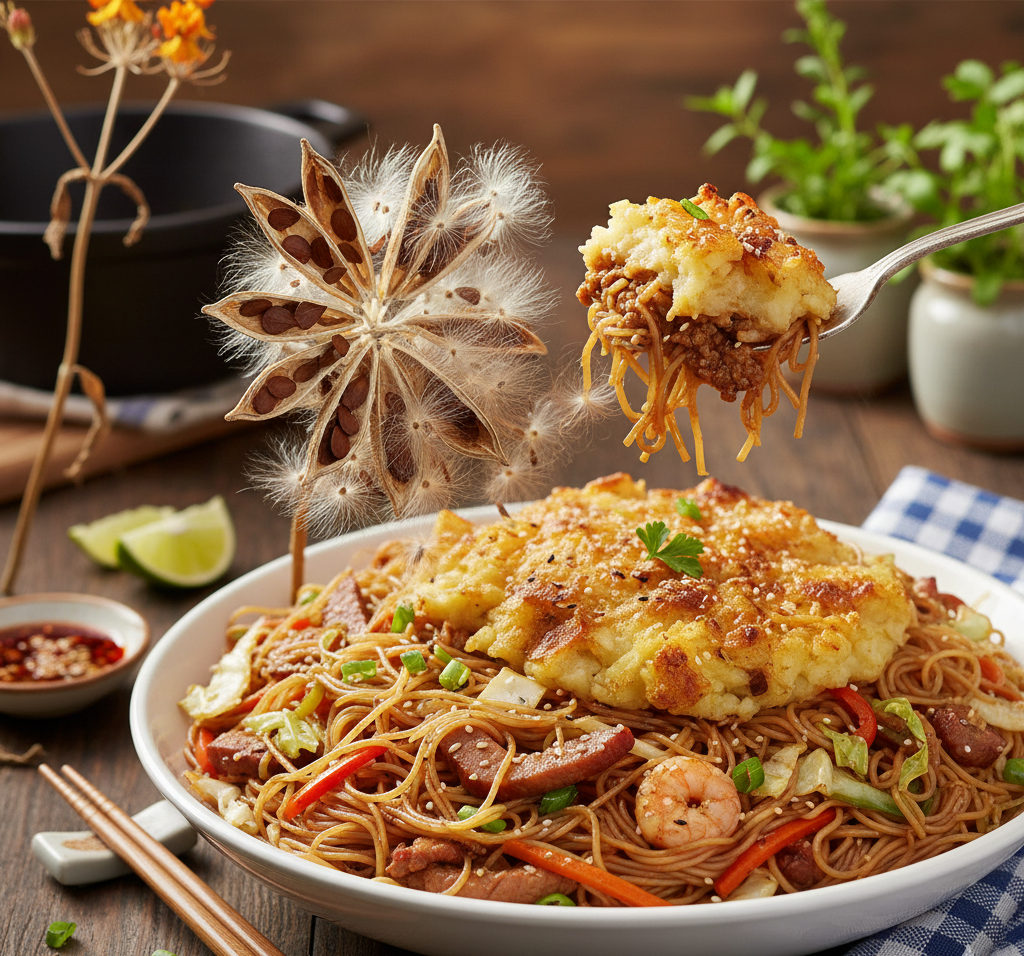
Chow mei fun is a beloved noodle dish known for its light texture, savory flavors, and incredible versatility. Popular in Chinese restaurants around the world, chow me fun features thin rice vermicelli noodles stir-fried with vegetables, proteins, and aromatic seasonings. Its balance of simplicity and depth has made it a favorite among diners seeking a satisfying yet not overly heavy meal.
This comprehensive guide explores chow me fun from every angle, including its origins, ingredients, cooking style, variations, nutritional value, and cultural significance.
Chow Mei Fun and the Origins of This Popular Dish
To understand chow me fun, it is important to explore its roots. The term “mei fun” comes from Cantonese cuisine and refers to thin rice vermicelli noodles. “Chow” simply means stir-fried, indicating the cooking method rather than a separate ingredient.
Chow me fun developed in southern China, where rice was a staple grain. Over time, Chinese immigrants brought the dish to other regions, adapting it to local tastes. Today, chow me fun is especially popular in Chinese-American cuisine, where it has become a menu staple.
Chow Mei Fun and the Meaning Behind the Name
The name chow me fun is both descriptive and practical. “Mei fun” refers to the rice noodles themselves, while “chow” highlights the stir-frying technique used to prepare the dish.
In many restaurants, chow me fun signals a lighter noodle option compared to wheat-based dishes like lo mein. The name has helped the dish gain recognition and consistency across menus worldwide.
Chow Mei Fun and the Rice Noodles That Define It
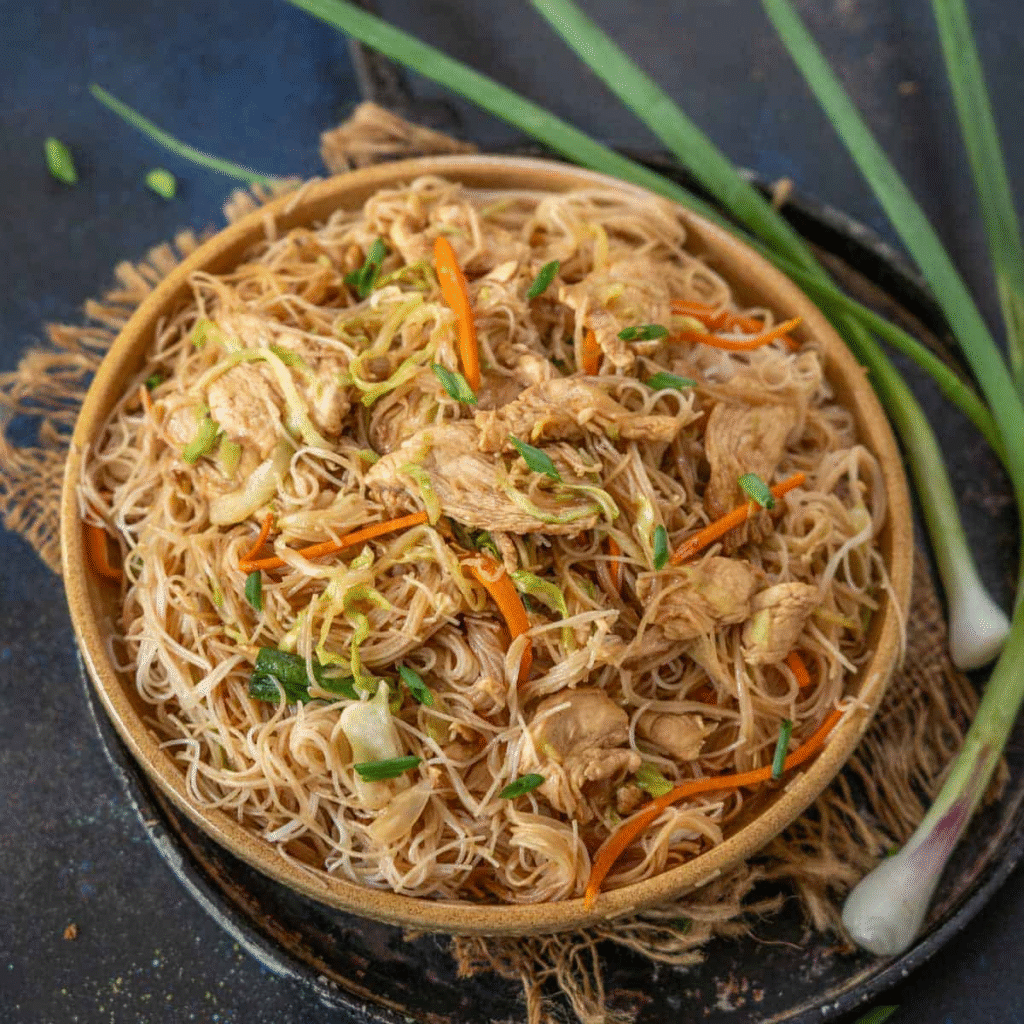
At the heart of chow me fun are thin rice vermicelli noodles. These noodles are made from rice flour and water, resulting in a delicate, soft texture when cooked.
Rice noodles absorb flavors easily, making them ideal for stir-frying. Unlike thicker noodles, they do not overpower other ingredients, allowing vegetables, proteins, and seasonings to shine.
Chow Mei Fun and Common Ingredients Used in the Dish
Chow me fun is known for its flexibility. While recipes vary, most versions include a combination of the following ingredients:
- Rice vermicelli noodles
- Vegetables such as cabbage, carrots, onions, and bean sprouts
- Proteins like chicken, shrimp, pork, beef, or tofu
- Aromatics including garlic and scallions
- Savory seasonings such as soy sauce or light spices
This adaptable ingredient list makes chow me fun easy to customize for different preferences and dietary needs.
Chow Mei Fun and Its Distinctive Texture
One of the defining qualities of chow me fun is its texture. The noodles are soft and tender, yet not mushy when prepared correctly. This light texture sets chow me fun apart from heavier noodle dishes.
The stir-frying process coats each strand evenly with flavor while maintaining separation, preventing clumping and greasiness.
Chow Mei Fun and the Stir-Fry Cooking Technique
Chow me fun relies on stir-frying, a fast and high-heat cooking method. This technique allows ingredients to cook quickly while preserving freshness and texture.
Stir-frying also helps develop subtle smoky notes that enhance the overall flavor of chow me fun. The quick cooking time is one reason this dish is popular in both restaurants and home kitchens.
Chow Mei Fun and Popular Protein Choices
Protein plays an important role in chow me fun. Chicken and shrimp are among the most common choices, offering mild flavors that blend well with rice noodles.
Beef and pork add richness, while tofu provides a plant-based option. Because chow me fun absorbs seasoning so well, even simple proteins become flavorful and satisfying.
Chow Mei Fun and Vegetable Pairings
Vegetables add color, texture, and nutrition to chow me fun. Cabbage and bean sprouts provide crunch, while carrots and onions add sweetness.
The balance of vegetables ensures that chow me fun remains light yet filling. Many cooks adjust vegetable combinations based on seasonal availability or personal taste.
Chow Mei Fun and Singapore-Style Variations
One of the most famous versions is Singapore chow me fun. Despite its name, this dish is more closely associated with Chinese-Cantonese cuisine than Singaporean food.
Singapore chow me fun is distinguished by its yellow color and aromatic flavor, often achieved through curry seasoning. It typically includes shrimp, barbecue pork, eggs, and vegetables, making it a bold and popular variation.
Chow Mei Fun and Regional Adaptations Around the World
As chow me fun spread globally, it evolved into many regional styles. Caribbean versions may include local spices, while Southeast Asian adaptations incorporate regional vegetables and seasonings.
These variations demonstrate the versatility of chow me fun and its ability to adapt without losing its core identity.
Chow Mei Fun and Its Role in Chinese-American Cuisine
In Chinese-American restaurants, chow me fun holds a special place. It is often chosen by diners looking for a lighter alternative to lo mein or fried rice.
Its popularity reflects the blending of traditional Chinese cooking techniques with Western dining preferences, making chow me fun a symbol of culinary fusion.
Chow Mei Fun and Nutritional Considerations
Chow me fun is often perceived as a lighter meal option. Rice noodles are low in fat and provide a source of carbohydrates for energy.
When combined with vegetables and lean proteins, chow me fun can be part of a balanced diet. Portion size and cooking methods influence overall nutritional value.
Chow Mei Fun and Gluten-Free Dining
Because rice noodles are made from rice flour, chow mei fun is naturally gluten-free. This makes it a popular choice for individuals avoiding gluten.
However, sauces and seasonings should be checked carefully, as some may contain gluten depending on preparation.
Chow Mei Fun and Vegetarian and Vegan Options
Vegetarian and vegan versions of chow mei fun are widely enjoyed. By using tofu or plant-based proteins and a variety of vegetables, the dish remains hearty and flavorful.
These versions highlight the natural taste of rice noodles and vegetables, making chow mei fun suitable for many dietary lifestyles.
Chow Mei Fun and Home Cooking Appeal
Home cooks appreciate chow mei fun for its simplicity and speed. The noodles cook quickly, and the dish can be assembled using everyday ingredients.
This convenience makes chow mei fun ideal for weeknight dinners, casual meals, or family gatherings.
Chow Mei Fun and Restaurant Presentation
In restaurants, chow mei fun is typically served as a generous portion, often garnished with scallions or herbs. The presentation emphasizes color contrast from vegetables and proteins mixed throughout the noodles.
Despite its simple ingredients, chow mei fun is visually appealing and inviting.
Chow Mei Fun and Pairing With Other Dishes
Chow mei fun pairs well with soups, dumplings, spring rolls, or stir-fried vegetables. It can also stand alone as a complete meal.
Its mild flavor profile complements bolder dishes without competing with them.
Chow Mei Fun and Common Misconceptions
A common misconception is that chow mei fun is the same as lo mein. In reality, lo mein uses wheat noodles, while chow mei fun uses rice noodles.
Another myth is that chow me fun lacks flavor. When prepared properly, it is aromatic, savory, and deeply satisfying.
Chow Mei Fun and Modern Culinary Trends
Modern chefs continue to reinvent chow me fun by incorporating global flavors and creative ingredients. Fusion versions may include unique spices, sauces, or plant-based alternatives.
These innovations keep chow me fun relevant while honoring its traditional roots.
Chow Mei Fun and Cultural Significance
Chow me fun represents cultural exchange and adaptation. As Chinese communities migrated worldwide, the dish evolved to reflect local tastes while maintaining its identity.
This cultural flexibility has helped chow me fun remain popular across generations.
Chow Mei Fun and Why It Remains a Timeless Favorite
The enduring appeal of chow me fun lies in its versatility, lightness, and comfort. It adapts easily to dietary needs and cultural preferences.
Whether enjoyed at a restaurant or prepared at home, chow me fun continues to be a dish that brings people together.
Chow Mei Fun and Final Thoughts
Chow mei fun is more than just a noodle dish. It is a reflection of culinary tradition, adaptability, and global influence. From its roots in southern China to its presence on menus worldwide, chow me fun remains a timeless favorite.
By understanding chow me fun, diners and cooks alike can appreciate not only its flavors but also the history and culture behind it. Light, flavorful, and endlessly customizable, chow me fun truly earns its place among the world’s most loved noodle dishes.
