


The word hachi may appear simple, but it represents a rich culinary tradition that spans centuries, cultures, and cuisines. At its core, hachi refers to finely chopped or minced food, most commonly meat, prepared in a way that maximizes flavor, texture, and practicality. While the term is strongly associated with French cuisine, the idea behind hachi is universal and timeless.
In this comprehensive article, we will explore hachi in depth—its meaning, origins, preparation techniques, variations, cultural importance, and modern interpretations. By the end, you will have a complete understanding of what hachi is and why it remains relevant in kitchens around the world.
Hachis Meaning and Definition in Culinary Terms
To understand hachi, we must begin with its definition. The word comes from the French verb hacher, which means “to chop.” In culinary terms, hachi refers to food—usually meat—that has been finely chopped or minced, either by hand or with a tool.
Unlike ground meat, which is often processed by machine into a uniform texture, hachi traditionally involves:
- Hand-chopping with a knife
- A slightly coarser, more textured result
- Greater control over consistency
This distinction gives hachi a more artisanal character and allows flavors to remain distinct rather than overly blended.
Hachi Origins and Historical Background
The history of hachi dates back to medieval Europe, when cooks sought efficient ways to use leftover meats. Chopping cooked meat made it easier to reheat, season, and combine with other ingredients.
In French culinary history, hachis became a practical solution for:
- Reducing food waste
- Feeding large households
- Creating filling meals from limited resources
Over time, what began as a necessity evolved into a respected cooking technique with its own identity and traditions.
Hachi in Traditional French Cuisine
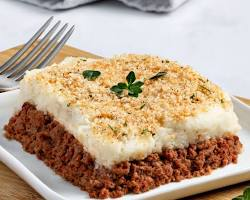
In French cuisine, hachi is more than a technique—it is a category of dishes. The most famous example is hachis parmentier, but many other preparations exist.
Traditional French hachis dishes often include:
- Finely chopped beef, veal, or poultry
- Onions sautéed slowly for sweetness
- Herbs such as parsley or thyme
- A binding element like sauce or stock
French hachis emphasizes balance, subtle seasoning, and comfort rather than bold or spicy flavors.
Hachi Preparation Techniques Explained
The preparation of hachi is what sets it apart from other minced dishes.
Key Preparation Methods:
- Hand-chopping cooked or raw meat
- Using a sharp knife for clean cuts
- Avoiding over-processing
Proper hachis should retain small, distinct pieces rather than becoming paste-like. This creates a more satisfying texture and preserves the natural character of the ingredients.
Hachi Compared to Ground Meat
A common question is how hachi differs from ground meat.
Key Differences:
- Hachis is chopped, not ground
- Ground meat is machine-processed
- Hachis offers more texture
- Ground meat is more uniform
Because of this, hachis is often considered more refined and flavorful, especially in traditional recipes.
Hachi and the Role of Leftovers
One of the defining features of hachi is its relationship with leftovers. Historically, hachis was created to reuse cooked meat from previous meals.
Common leftover uses include:
- Roast beef
- Cooked poultry
- Braised meats
By chopping and re-seasoning these leftovers, cooks could create entirely new dishes that felt intentional rather than recycled.
Hachi as a Foundation for Comfort Food
Many comfort foods are built around hachi. Its soft texture and savory flavor make it ideal for hearty, warming meals.
Comfort food qualities of hachis include:
- Warmth and richness
- Familiar flavors
- Easy digestion
This is why hachis-based dishes are especially popular in colder seasons.
Hachi in European Cuisines Beyond France
While strongly associated with France, hachi appears in other European cuisines under different names and forms.
Examples include:
- British minced meat dishes
- German chopped meat preparations
- Italian finely chopped fillings
The concept remains the same: chopped ingredients prepared to maximize flavor and minimize waste.
Hachis and Its Use in Layered Dishes
Layered dishes are a natural fit for hachi because its texture spreads evenly and absorbs flavors well.
Typical layered applications include:
- Meat layered with vegetables
- Hachis topped with mashed potatoes
- Baked casseroles
These dishes are filling, economical, and easy to serve in large portions.
Hachi and Vegetarian Interpretations
Modern cuisine has expanded the definition of hachi beyond meat.
Vegetarian hachis may include:
- Lentils
- Mushrooms
- Chickpeas
- Mixed vegetables
These ingredients are chopped finely and seasoned to mimic the texture and richness of traditional meat-based hachis.
Hachi and Nutritional Value
The nutritional profile of hachi depends on its ingredients, but it often provides balanced nourishment.
Typical nutritional elements include:
- Protein from meat or legumes
- Vitamins from onions and herbs
- Healthy fats depending on preparation
Because hachis allows ingredient control, it can be adapted to suit various dietary needs.
Hachi and Texture Balance in Cooking
Texture plays a crucial role in hachi dishes.
A good hachis should be:
- Moist but not watery
- Soft but not mushy
- Rich without being heavy
Achieving this balance requires attention to chopping technique, cooking time, and seasoning.
Hachis and Seasoning Philosophy
Seasoning in hachi is typically subtle. The goal is to enhance rather than overpower.
Common seasonings include:
- Salt and black pepper
- Mild herbs
- Onions and garlic
This restrained approach allows the primary ingredients to shine.
Hachi and Modern Culinary Innovation
Modern chefs have reimagined hachi in creative ways while respecting its roots.
Innovative approaches include:
- Using premium meats
- Adding global spices
- Presenting hachis in refined plating
These adaptations show that hachis can be both humble and sophisticated.
Hachi and Restaurant Menus
Though traditionally home-cooked, hachi has earned a place in restaurants, especially those focused on comfort or rustic cuisine.
Restaurants value hachis because:
- It appeals to a wide audience
- It allows creative variation
- It reflects culinary heritage
Its versatility makes it suitable for casual and upscale dining alike.
Hachi and Family Cooking Traditions
For many families, hachi represents continuity and tradition.
Family recipes often:
- Are passed down through generations
- Reflect regional tastes
- Adapt based on available ingredients
These personal variations give hachis emotional as well as culinary value.
Hachi and Seasonal Cooking
Hachi is especially popular during cooler months.
Seasonal advantages include:
- Hearty, warming nature
- Use of preserved or leftover ingredients
- Compatibility with winter vegetables
This makes hachis a seasonal favorite in many households.
Hachis and Meal Preparation Efficiency
Another strength of hachi is its efficiency.
- Easy to prepare in large batches
- Stores well in the refrigerator
- Freezes effectively
This makes it ideal for meal planning and busy schedules.
Hachi and Food Sustainability
In today’s world, sustainability matters more than ever, and hachi naturally supports it.
Sustainable aspects include:
- Reducing food waste
- Maximizing ingredient use
- Encouraging thoughtful cooking
Hachis demonstrates how traditional practices align with modern values.
Hachi and Cultural Significance
Beyond nutrition, hachi holds cultural meaning.
It represents:
- Resourcefulness
- Home cooking
- Culinary heritage
These values explain why hachis remains relevant across generations.
Hachi in Global Food Culture
As culinary traditions travel, hachi has found recognition beyond Europe.
It appears in:
- International cookbooks
- Food blogs
- Culinary schools
Its simplicity makes it adaptable across cultures and cuisines.
Hachi and the Future of Traditional Cooking
The future of hachi looks promising. As people seek comfort, sustainability, and authenticity in food, traditional techniques like hachis gain renewed interest.
Trends supporting hachis include:
- Farm-to-table cooking
- Reduced food waste
- Appreciation for classic methods
Hachis fits perfectly into these modern movements.
Conclusion: Why Hachi Remains Timeless
Hachi is more than chopped food—it is a culinary philosophy rooted in practicality, flavor, and tradition. From its historical origins to modern interpretations, hachis continues to adapt without losing its identity.
Whether prepared as a simple family meal or elevated in a professional kitchen, hachi proves that thoughtful preparation and respect for ingredients can turn simplicity into something enduring and meaningful.
