

The cannabis and hemp industries continue to evolve, introducing new cannabinoids that attract curiosity from consumers, researchers, and wellness enthusiasts alike. One such compound gaining attention is HHC. Many people are asking the same question: what is HHC, and how does it compare to more familiar cannabinoids like THC and CBD?
In this in-depth guide, we will explore everything you need to know about HHC—its origin, chemical structure, effects, legality, safety, benefits, and how it fits into the modern cannabinoid market. By the end of this article, you will have a clear and confident understanding of what is HHC and whether it may be right for you.
What Is HHC and Where Does It Come From?
To understand what is HHC, it’s important to start with its origin. HHC stands for hexahydrocannabinol, a cannabinoid that is chemically related to THC. While HHC does occur naturally in cannabis plants, it is found only in extremely small amounts, making natural extraction impractical for commercial use.
Most HHC products available today are created through a laboratory process called hydrogenation. This process involves adding hydrogen atoms to THC or THC-derived compounds, changing the molecular structure while preserving many of its cannabinoid properties.
Interestingly, hydrogenation has been used in the food industry for decades, such as turning vegetable oils into margarine. When applied to cannabinoids, hydrogenation creates a more stable compound—this is a key factor in understanding what is HHC and why it is gaining popularity.
What Is HHC in Chemical Terms?
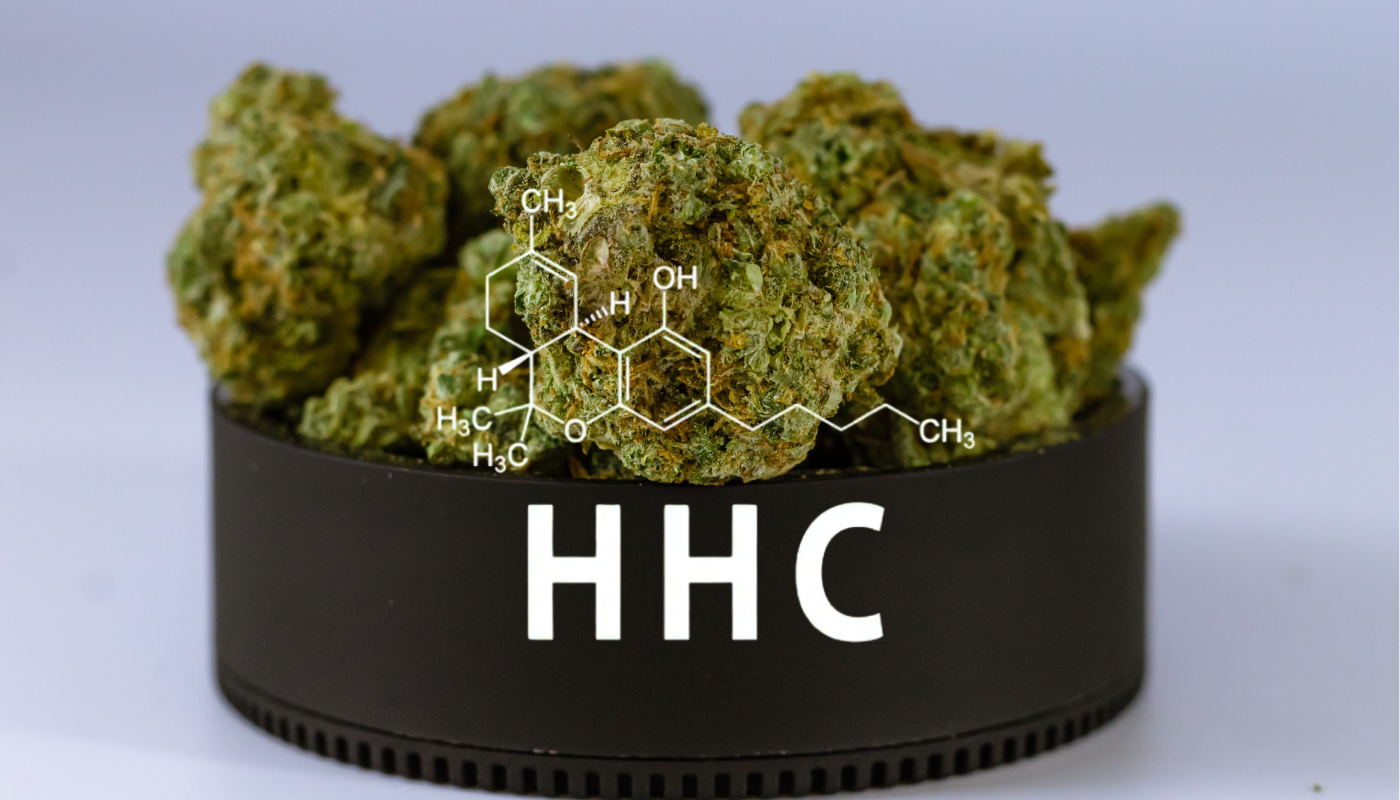
From a scientific perspective, what is HHC can be explained through its molecular structure. HHC is a hydrogenated form of THC, meaning it lacks the double bond found in traditional delta-9 THC.
Key Chemical Characteristics:
- HHC is more chemically stable than THC
- It is more resistant to heat, UV light, and oxidation
- It has a longer shelf life than many cannabinoids
This increased stability is one reason HHC products are appealing to manufacturers and consumers alike. Unlike THC, which can degrade over time, HHC maintains its potency for longer periods under similar storage conditions.
What Is HHC and How Does It Work in the Body?
A major part of understanding what is HHC involves how it interacts with the human body. Like other cannabinoids, HHC works through the endocannabinoid system (ECS)—a complex network of receptors that help regulate mood, appetite, sleep, pain, and immune response.
HHC binds primarily to:
- CB1 receptors in the brain (associated with psychoactive effects)
- CB2 receptors in the immune system (linked to inflammation and pain regulation)
Because of this interaction, HHC can produce psychoactive effects similar to THC, although many users report a milder and more balanced experience.
What Is HHC Compared to THC?
One of the most common follow-up questions to what is HHC is how it compares to THC.
Key Differences Between HHC and THC:
- Potency: HHC is generally slightly less potent than delta-9 THC
- Effects: HHC offers a smoother, less anxiety-inducing experience for many users
- Stability: HHC is more stable than THC
- Legality: HHC may be legal in more regions due to its hemp-derived status
While THC is well-known for intense psychoactive effects, HHC is often described as providing relaxation and euphoria without overwhelming intensity.
What Is HHC Compared to CBD?
Another helpful way to understand what is HHC is by comparing it to CBD.
- CBD is non-psychoactive and does not produce a “high”
- HHC is psychoactive and does produce noticeable effects
- CBD focuses more on inflammation and anxiety relief
- HHC offers both mental and physical relaxation
This makes HHC appealing to users who want more than CBD but less intensity than THC.
What Is HHC and What Effects Does It Produce?
When asking what is HHC, people often want to know what it feels like.
Commonly Reported Effects of HHC:
- Mild to moderate euphoria
- Mental relaxation
- Stress relief
- Enhanced mood
- Light body relaxation
- Reduced discomfort
Unlike THC, HHC is less likely to cause paranoia or racing thoughts, especially at moderate doses. This makes it attractive to individuals who are sensitive to high-THC products.
What Is HHC and Is It Safe?
Safety is a critical part of understanding what is HHC. Because HHC is relatively new to the mainstream market, scientific research is still limited.
Known Safety Considerations:
- Short-term side effects may include dry mouth, dizziness, or fatigue
- Overuse may impair coordination and reaction time
- Long-term effects are not yet well studied
Consumers should only purchase HHC products that are third-party lab tested to ensure purity and proper cannabinoid levels.
What Is HHC and Is It Legal?
Legality is one of the main reasons people are asking what is HHC.
In many regions, HHC is derived from hemp, which was federally legalized in the United States under the 2018 Farm Bill. Because HHC is not explicitly listed as a controlled substance, it exists in a legal gray area.
Important Legal Notes:
- Laws vary by country and state
- Some regions may restrict synthetic or semi-synthetic cannabinoids
- Always check local regulations before purchasing or using HHC
While HHC is often sold legally online, legal interpretations can change quickly.
What Is HHC and How Is It Consumed?
Understanding what is HHC also means knowing how people use it.
Common Forms of HHC Products:
- HHC Gummies – Long-lasting and discreet
- HHC Vape Cartridges – Fast-acting effects
- HHC Tinctures – Precise dosing
- HHC Edibles – Slow onset, extended effects
Each method offers a different experience in terms of onset time and duration.
What Is HHC and What Are Its Potential Benefits?
While more research is needed, many users report benefits after learning what is HHC and incorporating it responsibly.
Potential Benefits of HHC:
- Stress and anxiety relief
- Improved sleep quality
- Mild pain and discomfort management
- Mood enhancement
- Relaxation without heavy sedation
These benefits are largely anecdotal but consistent across user experiences.
What Is HHC for Medical Use?
Although HHC is not approved as a medical treatment, understanding what is HHC in a medical context is important.
Researchers are exploring its potential for:
- Pain management
- Anti-inflammatory effects
- Appetite stimulation
- Neuroprotective properties
However, HHC should not replace prescribed medications without medical guidance.
What Is HHC and Who Should Use It?
HHC may be suitable for:
- Adults seeking mild psychoactive effects
- People who find THC too strong
- Users looking for legal alternatives
- Those wanting relaxation without heavy intoxication
However, it may not be ideal for:
- Pregnant or breastfeeding individuals
- People sensitive to psychoactive compounds
- Anyone restricted by local laws
What Is HHC and How to Choose Quality Products?
To fully benefit from knowing what is HHC, product quality matters.
Tips for Choosing Safe HHC Products:
- Look for third-party lab reports
- Avoid products with unclear sourcing
- Check ingredient transparency
- Choose reputable brands
Quality control is essential in an evolving market like HHC.
What Is HHC and What Does the Future Hold?
The future of HHC looks promising. As more people ask what is-HHC, research and regulation are likely to increase.
Potential future developments include:
- More scientific studies
- Clearer legal frameworks
- Improved manufacturing standards
- Broader consumer awareness
HHC may become a mainstream cannabinoid alongside THC and CBD.
Conclusion: What Is HHC and Why Does It Matter?
So, what is HHC? It is a hydrogenated cannabinoid that offers a balanced alternative between THC and CBD. With its smoother effects, increased stability, and potential legal accessibility, HHC is carving out a unique space in the cannabinoid world.
While more research is needed to fully understand its long-term effects, HHC represents an exciting development for those seeking new cannabinoid experiences. By staying informed, choosing high-quality products, and using responsibly, consumers can explore HHC safely and confidently.
