

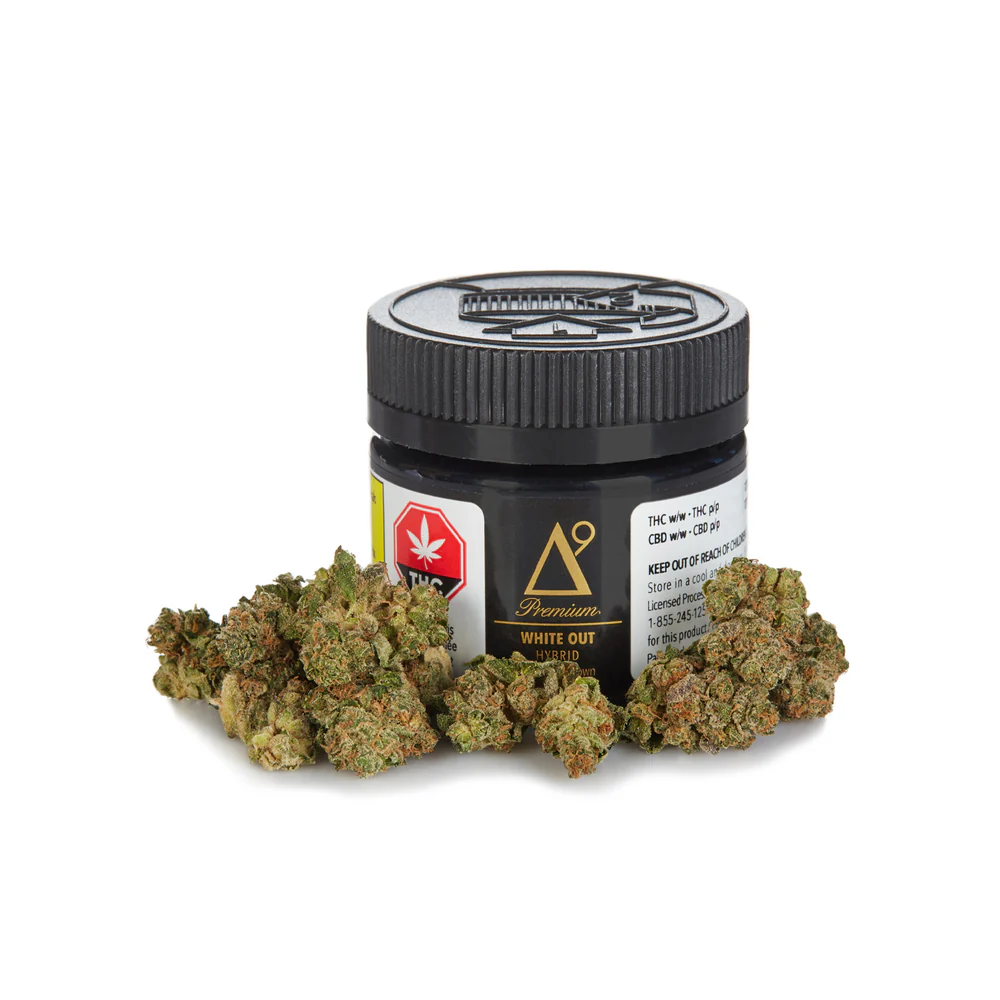
The world of cannabinoids has grown rapidly in recent years, giving rise to numerous compounds derived from the cannabis plant. Among these, THC (tetrahydrocannabinol) has been a staple in both recreational and medicinal cannabis use. However, a newer cannabinoid, HHC (hexahydrocannabinol), is starting to gain attention in the market. Understanding the differences between HHC vs THC is essential for anyone exploring cannabinoids, whether for personal use, wellness, or research purposes. In this comprehensive article, we will break down the chemical structure, effects, legality, safety, and potential benefits of HHC vs THC to help you make informed choices.
What is THC?
THC, or delta-9-tetrahydrocannabinol, is the primary psychoactive compound found in cannabis. It is responsible for the “high” associated with marijuana use. THC interacts with the body’s endocannabinoid system (ECS), particularly the CB1 receptors in the brain, which influence mood, memory, pain perception, and appetite.
Key Effects of THC
The effects of THC are well-documented and include:
- Euphoria and relaxation
- Altered sensory perception
- Increased appetite
- Pain relief
- Potential anxiety or paranoia in high doses
THC is also widely used for medicinal purposes, such as reducing nausea in chemotherapy patients, alleviating chronic pain, and improving sleep.
What is HHC?
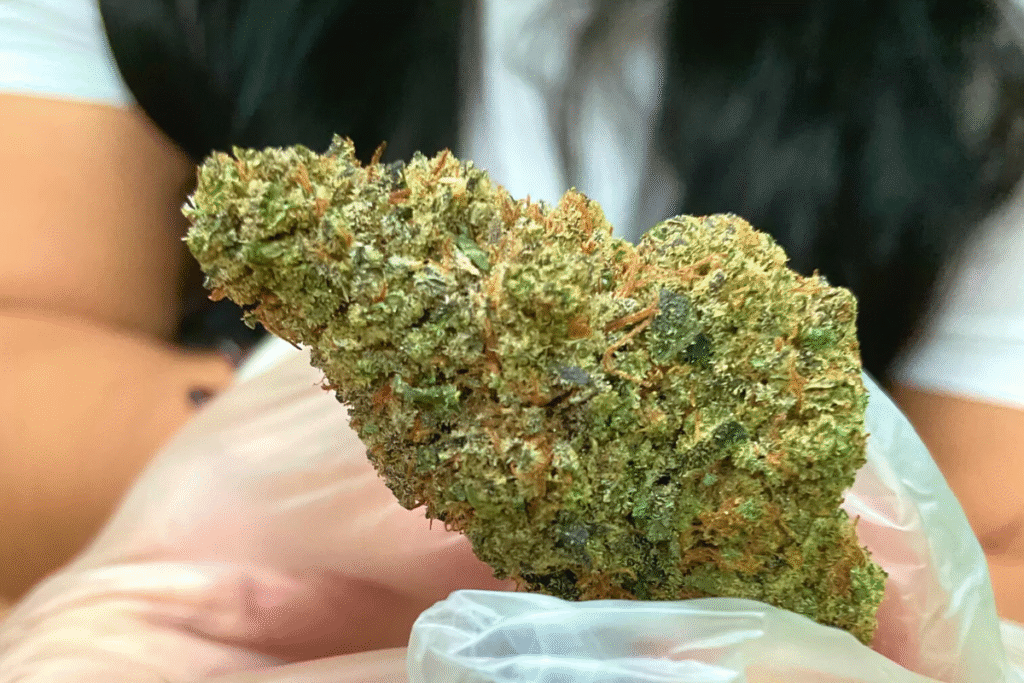
HHC, or hexahydrocannabinol, is a hydrogenated derivative of THC. It is a semi-synthetic cannabinoid, meaning it is chemically altered from naturally occurring THC. While it exists in trace amounts in the cannabis plant, most commercially available HHC is produced in labs through hydrogenation—a process similar to converting vegetable oil into margarine.
HHC has been gaining popularity because it is thought to provide effects similar to THC but may exist in a legal gray area in certain regions, making it more accessible than traditional THC products.
Key Effects of HHC
The effects of HHC are reported to be comparable to THC but slightly milder:
- Euphoria and relaxation
- Mild psychoactive effects
- Pain relief and anti-inflammatory properties
- Reduced anxiety compared to high-THC products
Since HHC is relatively new, research is limited, and most of the information comes from anecdotal user experiences. However, early studies suggest that HHC may interact with the endocannabinoid system similarly to THC, producing comparable effects.
HHC vs THC: Chemical Structure
Understanding the chemical difference between HHC vs THC is crucial.
- THC contains a double bond in its molecular structure. Specifically, delta-9-THC has a double bond at the ninth carbon atom.
- HHC is created by adding hydrogen atoms to THC, a process called hydrogenation. This saturates the molecule and changes its interaction with the body.
This subtle change affects potency, stability, and legality. HHC is more resistant to oxidation and degradation than THC, meaning it has a longer shelf life.
HHC vs THC: Potency
When comparing HHC vs THC in terms of potency:
- THC is generally more potent, with stronger psychoactive effects. A standard dose of THC can produce a noticeable high in most users.
- HHC is considered slightly less potent. Users report that while HHC produces a “high,” it is often described as smoother, more clear-headed, and less likely to induce anxiety or paranoia.
The difference in potency makes HHC an appealing option for users who want some psychoactive effects without the intensity associated with high-THC products.
HHC vs THC: Legality
One of the biggest differences between HHC vs THC lies in legality.
- THC is illegal in many countries unless obtained through medical cannabis programs. In the United States, THC derived from cannabis plants containing more than 0.3% THC is federally illegal, though some states allow recreational or medicinal use.
- HHC occupies a legal gray area. Because it can be synthesized from hemp-derived cannabinoids, it is often marketed as federally legal under the 2018 Farm Bill. However, the DEA has stated that HHC and other synthetic cannabinoids may be considered controlled substances depending on interpretation.
It’s crucial to check your local laws before purchasing or using HHC or THC products.
HHC vs THC: Safety Profile
Safety is a key consideration when choosing between HHC vs THC.
- THC can cause side effects like dizziness, dry mouth, increased heart rate, anxiety, or paranoia, especially at high doses. Long-term, heavy use may impact memory and motivation.
- HHC is generally reported to have milder side effects. Users tend to experience less anxiety or paranoia, but research is limited. As with any cannabinoid, potential risks include impaired motor skills, cognitive effects, and unknown long-term consequences.
Consulting a healthcare professional is always recommended, particularly if using cannabinoids for medical purposes.
HHC vs THC: Methods of Consumption
Both HHC and THC can be consumed in similar ways:
- Smoking or Vaping: Both cannabinoids can be inhaled for quick onset of effects.
- Edibles: HHC and THC-infused gummies, chocolates, or beverages provide longer-lasting effects but take longer to onset.
- Tinctures and Oils: Sublingual consumption allows for precise dosing and faster absorption.
- Topicals: Limited psychoactive effects, mostly used for localized pain relief or inflammation.
HHC products are becoming more widely available, especially online, in forms like gummies, vapes, and tinctures, similar to THC products.
HHC vs THC: Medical Benefits
While research is still evolving, both HHC and THC show potential medical applications.
- THC Benefits:
- Pain relief
- Appetite stimulation
- Anti-nausea for chemotherapy patients
- Reduction of muscle spasticity in multiple sclerosis
- HHC Benefits:
- Pain relief
- Anti-inflammatory properties
- Mild euphoria and relaxation
- Potential for reduced anxiety compared to THC
It’s important to note that HHC has not been studied as extensively as THC. Most medical claims are anecdotal or based on preliminary studies, so caution is advised.
HHC vs THC: User Experience
User experiences with HHC vs THC vary depending on tolerance, dose, and consumption method.
- THC Users: Often report strong euphoria, heightened sensory perception, and potential couch-lock or sedation. High doses can sometimes lead to anxiety or paranoia.
- HHC Users: Often report a lighter high, clear-headedness, and relaxation. Many users appreciate that HHC provides psychoactive effects without overwhelming intensity.
The choice between HHC vs THC often comes down to personal preference, desired potency, and legal accessibility.
HHC vs THC: Market Trends
The cannabinoid market is rapidly evolving. THC products remain popular, but HHC is gaining traction due to its unique properties and perceived legality.
- Online retailers increasingly sell HHC gummies, vape cartridges, and tinctures.
- Some users are switching from THC to HHC for smoother experiences and lower anxiety potential.
- Research into HHC may expand, potentially creating more medicinal and recreational applications in the future.
Industry experts predict that HHC could become a major player in the cannabinoid market, especially in regions where THC remains restricted.
Choosing Between HHC vs THC
When deciding between HHC vs THC, consider the following factors:
- Legal Status: THC may be illegal in your area, while HHC might be more accessible.
- Desired Effects: THC offers a more potent high, while HHC is smoother and milder.
- Medical Needs: THC has more established medicinal applications, but HHC shows promise.
- Side Effects: HHC may have a lower risk of anxiety or paranoia compared to THC.
- Availability: THC is widely available in legal markets, but HHC is primarily online or in select dispensaries.
Your choice should align with personal goals, legal considerations, and tolerance levels.
Conclusion: HHC vs THC
The comparison of HHC vs THC highlights the growing diversity in cannabinoids and their applications. THC remains the gold standard for psychoactive effects and medical research, while HHC is emerging as a milder, potentially more legally accessible alternative.
As interest in cannabinoids continues to rise, understanding HHC vs THC is crucial for consumers, medical professionals, and researchers. Whether your goal is recreation, wellness, or medical treatment, staying informed about the differences between HHC and THC can ensure safe, effective, and enjoyable experiences.
While THC has a long history of study and use, HHC represents the next frontier in cannabinoid research. With ongoing studies and increasing market presence, HHC may eventually offer comparable benefits to THC with unique advantages, including legal accessibility and milder side effects.
